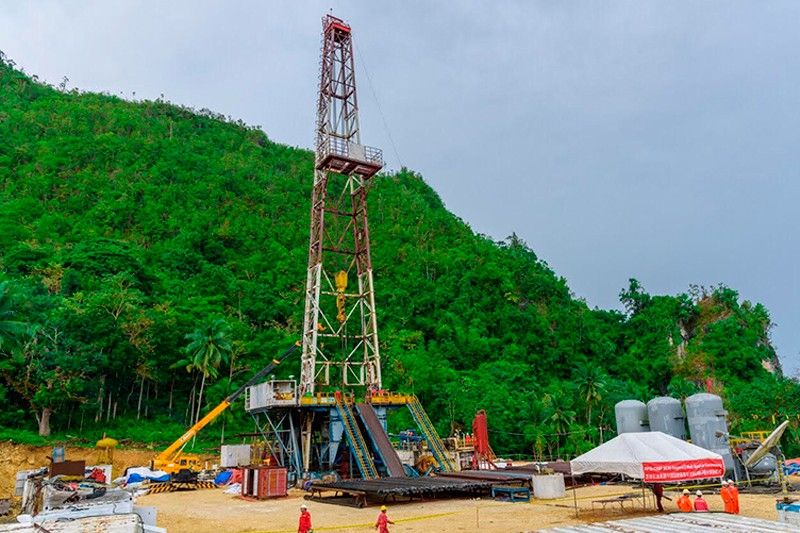
Cebu integrates Alegria oil field redevelopment into energy master plan
The province of Cebu is taking a bold step toward energy self-sufficiency by formally incorporating the redevelopment of the Alegria oil field into its long-term energy master plan.
This move signals a strategic shift in how local governments can harness indigenous resources to reduce dependence on imported fuel, stabilize power costs, and create economic opportunities in rural areas.
In this article, we explore what the Alegria oil field redevelopment entails, why it matters for Cebu’s energy future, and the key challenges and opportunities that lie ahead.
Understanding the Alegria oil field
Located in the southwestern part of Cebu Island, the Alegria oil field was once a modest producer of crude oil. Discovered in the 1990s, it saw limited commercial activity before operations stalled due to technical difficulties, low global oil prices, and regulatory hurdles.
However, recent advances in extraction technology, combined with rising energy demand and volatile global markets, have renewed interest in reviving this dormant asset.
The field is estimated to hold millions of barrels of recoverable oil, along with significant natural gas reserves. While not a giant by international standards, a properly managed redevelopment could supply a meaningful portion of Cebu’s energy needs—especially for power generation and industrial use.
Why this integration matters for Cebu’s energy master plan
Cebu’s energy master plan aims to achieve a reliable, affordable, and sustainable power supply for its growing population and economy.
The province currently relies heavily on coal-fired power plants and imported oil, making it vulnerable to price spikes and supply disruptions.
By integrating the Alegria oil field redevelopment, the plan gains a tangible, home-grown component.
Key benefits of local oil production
- Energy security – Reduced reliance on foreign crude oil shipments, especially during geopolitical crises or natural disasters
- Price stability – Local production can buffer against global oil price volatility, offering more predictable electricity tariffs
- Economic multiplier – Jobs in exploration, drilling, logistics, and refining; plus spin-off benefits for local businesses in Alegria and nearby towns
- Infrastructure development – Improved roads, ports, and power lines that also serve the broader community
The Provincial Government of Cebu, through its energy office, has stated that the redevelopment will be pursued with strict environmental safeguards and community engagement, addressing past criticisms of extractive industries in the region.
How the redevelopment will unfold
The integration into the energy master plan is not a mere symbolic gesture. It involves a phased approach, with specific milestones and oversight mechanisms.
Phase 1: Feasibility and resource assessment
Before any drilling resumes, comprehensive geological surveys and reserve audits will be conducted.
This includes 3D seismic imaging, well testing, and environmental impact assessments. The goal is to update the estimated recoverable volumes and identify the most cost-effective extraction methods.
Phase 2: Partner selection and financing
The provincial government is expected to seek private sector partners through a transparent bidding process.
International or local oil and gas companies with experience in small-field redevelopment will be prioritized.
Financing could come from a mix of equity, debt, and possibly government guarantees.
Phase 3: Infrastructure and drilling
Once a partner is selected, the next step is to rehabilitate existing wells and drill new ones.
Modern techniques such as enhanced oil recovery (EOR) and directional drilling could significantly boost output.
Supporting infrastructure—pipelines, storage tanks, and a small refinery or processing facility—will also be built or upgraded.
Phase 4: Production and integration into the grid
Crude oil and natural gas from Alegria will feed into Cebu’s power generation network.
Ideally, gas-fired power plants will be prioritized over oil-fired ones, as natural gas is cleaner and more efficient.
The energy master plan includes targets for how much of Cebu’s electricity should come from indigenous sources by 2030 and 2040.
Challenges ahead
No major energy project comes without hurdles, and the Alegria redevelopment is no exception.
Geological uncertainty
The field’s reservoir characteristics are complex, with fractured limestone formations that can make extraction tricky.
Previous operators encountered high water cuts and rapid decline rates. Modern technology can mitigate some of these issues, but the risk remains that actual production may fall short of projections.
Environmental and social concerns
Oil drilling raises legitimate concerns about water contamination, air emissions, noise, and land use.
The Alegria area is also prone to earthquakes, which adds another layer of risk.
Community groups have already voiced worries about spills and displacement.
To address these, the master plan mandates:
- Full environmental impact assessment (EIA) under Philippine law
- Regular independent audits of safety and environmental performance
- Benefit-sharing agreements with host communities, including royalties and local hiring preferences
Regulatory and fiscal stability
The Philippine oil industry is governed by a complex web of laws, including the Oil Exploration and Development Act and local ordinances.
Investors will need assurance of stable tax regimes, streamlined permitting, and clear dispute resolution mechanisms.
The integration into the energy master plan is a positive signal, but more specific policies—such as a fixed royalty rate or investment incentives—will be necessary.
Technical capacity
Cebu lacks a deep pool of experienced oil and gas personnel.
Training programs and partnerships with universities or technical institutes will be needed to build a local workforce that can operate and maintain the facilities.
Opportunities beyond oil
The redevelopment of the Alegria oil field could also be a catalyst for broader energy transition efforts in Cebu.
Natural gas as a bridge fuel
If significant gas reserves are confirmed, they can replace coal in existing power plants, drastically cutting carbon emissions.
Gas turbines are also more flexible, allowing for better integration of intermittent renewable sources like solar and wind.
Geothermal and renewable synergy
Cebu has geothermal potential (e.g., in nearby Negros) and is expanding solar and wind capacity.
The revenue from oil and gas production could be reinvested into renewable energy projects, creating a balanced and resilient energy mix.
Local economic development
Alegria is a largely agricultural municipality with limited industry.
The oil redevelopment could bring roads, electrification, and skills training that benefit farmers, fishers, and small businesses.
The master plan includes provisions for local content and community development funds.
What this means for the average Cebuano
While oil drilling might seem remote from daily life, the integration of the Alegria field into the energy master plan has direct implications for consumers and businesses.
- Lower electricity bills – Even a modest reduction in fuel import costs can lead to cheaper power
- More reliable supply – With less dependence on imported fuel, the grid becomes less vulnerable to global supply shocks
- Jobs and opportunities – Direct employment in the oil field and indirect jobs in services, transport, and construction will boost the local economy
- Environmental accountability – The master plan includes strict monitoring and transparent reporting on emissions and safety
The provincial government has committed to a public consultation campaign to keep citizens informed and involved.
Regular town hall meetings and online dashboards are planned.
Looking ahead
Cebu’s decision to integrate the Alegria oil field redevelopment into its energy master plan is a pragmatic, forward-looking move.
It acknowledges that while renewable energy is the ultimate goal, the transition will take time—and in the meantime, using domestic fossil fuels responsibly can strengthen the province’s energy sovereignty.
If executed well, the project could serve as a model for other provinces in the Philippines and across Southeast Asia that sit on small, stranded oil and gas fields.
The key will be balancing economic gains with environmental stewardship and community rights.
The next few years will be critical. As feasibility studies get underway and partnerships are formed, all eyes will be on Cebu to see whether this ambitious plan can turn a dormant oil field into a pillar of a more resilient energy future.