Arte ni Juana: Cebu Weavers’ Artisanal Bags Go Global
The global fashion landscape is shifting. Consumers are no longer satisfied with mass-produced accessories that lack a soul. They are hungry for stories, for craftsmanship, and for pieces that connect them to a culture.
From the heart of the Philippines, a powerful answer is emerging: Arte ni Juana. This movement, rooted in the rich weaving traditions of Cebu, is proving that artisanal bags are not just a niche trend—they are a global phenomenon.
For generations, the women of Cebu have been the silent guardians of a textile heritage that uses natural fibers like abaca, raffia, and buri. Now, through the visionary work of social enterprises and local artists, these handwoven creations are finding their way onto the arms of fashion-forward buyers in New York, Paris, and Tokyo.
This is the story of how a humble loom is weaving a future of economic empowerment and international acclaim.
The Heart of the Craft: Cebu’s Weaving Legacy
To understand the global success of Arte ni Juana, one must first understand the land and the hands that create them. Cebu is not just a tourist destination known for its pristine beaches; it is also a province with a deep-rooted artisan culture.
A Tradition Woven in Time
Weaving in the Philippines predates colonial history. It was a vital part of daily life, used for clothing, shelter, and trade.
In the Visayas, specifically in Cebu and its neighboring islands like Bohol and Leyte, the art of hablon (handweaving) was passed down from mother to daughter. However, the rise of cheap, imported textiles in the 20th century threatened to extinguish this ancient flame.
- Natural Fibers: The primary materials are harvested from the rainforests and fields
- Abaca (Manila Hemp): Known as the “queen of natural fibers,” it is incredibly strong, resilient, and has a distinct, luxurious sheen
- Raffia: Harvested from the buri palm, it offers a more rustic, textured look perfect for summer totes and beach bags
- Pineapple Fiber (Piña): A delicate, translucent fiber that is a hallmark of Philippine luxury weaving
- The Process: It takes days, sometimes weeks, to weave a single yard of fabric. The process involves stripping the fiber, drying it, tying the ends by hand, and meticulously passing the shuttle across the loom
The Women Behind the Looms
Arte ni Juana is more than just a brand; it is a collective. It represents the rural women weavers who are the backbone of this industry.
For many of these women, weaving was a skill learned out of necessity, but it is now a tool for liberation.
These are often mothers and grandmothers who work from their homes or small community centers. By working with ethical fashion labels, they can earn a fair wage while staying close to their families.
This economic power transforms entire communities. Children can go to school, homes can be repaired, and a sense of dignity is restored to a craft that was once seen as outdated.
Arte ni Juana: The Bridge Between Tradition and Modernity
The name itself is a tribute. “Juana” is the everywoman of the Philippines—the strong, hardworking, resilient Filipina.
“Arte ni Juana” translates to “The Art of Juana,” putting the spotlight squarely on the female artisan.
The genius of this movement lies in its ability to modernize without losing its soul. The bags are not just traditional native products; they are high-fashion accessories designed for the contemporary lifestyle.
Design Innovation
While the base material is ancient, the designs are fresh. Local designers collaborate with the weavers to create silhouettes that appeal to global tastes.
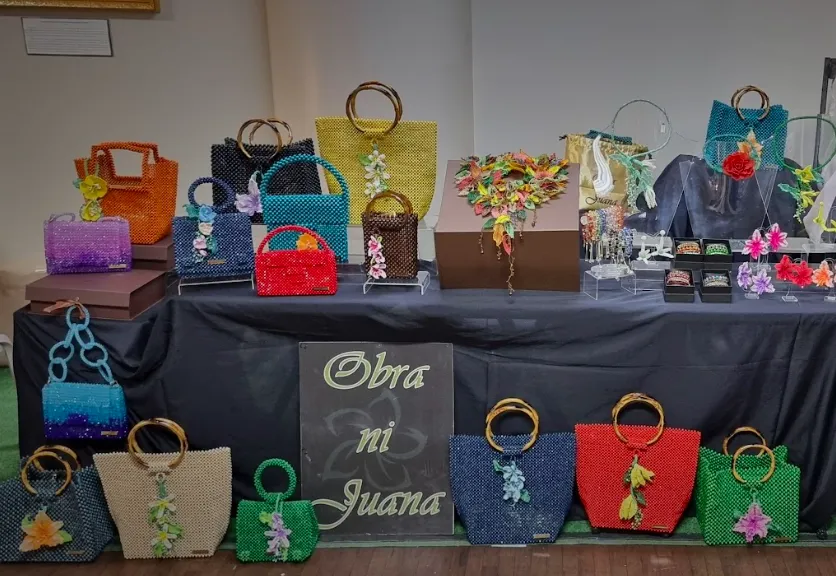
- Color Palettes: Moving beyond natural earth tones, these bags now feature vibrant dyes and modern color blocking. You can find handbags in deep indigos, rich ochres, bright magentas, and blacks
- Hardware and Finishing: The bags are no longer simple pouches. They now feature high-quality leather accents, magnetic clasps, zippered compartments, and adjustable straps. This elevates them from “souvenirs” to “investment pieces”
- Versatility: The collections include:
- Crossbody Bags: Perfect for the urban commuter
- Clutches: Sleek and elegant for evening events
- Tote Bags: Spacious and durable for work or travel
- Backpacks: For the eco-conscious student or adventurer
The Sustainable Selling Point
In an era of climate anxiety, the “Arte ni Juana” narrative is perfectly timed. Fast fashion is falling out of favor, and conscious consumerism is on the rise.
- Eco-Friendly Materials: These bags are biodegradable. Made from plant-based fibers, they do not contribute to the microplastic pollution that plagues synthetic bags
- Zero Waste: Many weaving communities practice a zero-waste philosophy. Leftover fibers are used for smaller items like coin purses, bookmarks, or home decor
- Slow Fashion: Each bag is made with time and intention. This is the antithesis of the “buy now, wear once, throw away” culture
Buying an Arte ni Juana bag is a statement supporting ethical labor and environmental stewardship.
Going Global: From Cebu Markets to International Runways
The headline is no longer a dream—it is a reality. Cebu weavers’ artisanal bags are going global, and the journey is a testament to the power of digital storytelling and strategic partnerships.
The Role of Digital Platforms
The internet has been the great equalizer for these artisans. Ten years ago, a weaver in a remote Cebu village had no way to reach a buyer in Milan. Today, that is possible.
- E-commerce: Websites like Etsy and bespoke brand sites allow direct selling. Social media platforms like Instagram and Pinterest are visual catalogs where the texture and color of the bags come to life
- Storytelling: Brands are selling a feeling, not just a product. They post videos of the looms clicking, interviews with the Juana weavers, and the harvesting of abaca in the forest
This authentic content resonates deeply with audiences tired of polished, fake advertising.
Recognition and Awards
The quality of Cebu’s handcrafted bags has not gone unnoticed by the global fashion industry.
- Philippine International Trade Exhibitions: The Department of Trade and Industry (DTI) has actively promoted these bags in international fairs like Maison et Objet in Paris and Ambiente in Frankfurt
- Fashion Weeks: We have seen Philippine woven accessories walk the ramp in New York and London Fashion Weeks, paired with haute couture
- Celebrity Endorsement: Influencers and celebrities who prioritize sustainability are now seeking out these unique pieces
A handwoven bag from Cebu is a conversation starter—a way to brag, not about the price, but about the story.
Economic Impact: A Ripple Effect
The global demand is creating a powerful economic ripple effect in Cebu.
- Increased Wages: With global prices, weavers can now command a higher price for their work
- Preservation of Culture: Young Filipinos are now taking an interest in weaving. It is no longer seen as “poor man’s work” but as a prestigious career path in the arts and design
- Community Development: Profits are often reinvested into the communities—building better infrastructure for workshops, providing scholarships for weavers’ children, and funding healthcare
The Future of the Fiber
The journey of Arte ni Juana is far from over. The challenge now is to scale production without sacrificing artisan quality. The world is watching to see if the ethical promises can be kept as the order books fill up.
Challenges Ahead
Despite the success, hurdles remain. The supply of natural fibers can be volatile, dependent on weather conditions and seasonal harvests.
There is also the risk of “cultural commodification”—where the story is exploited for profit without giving back to the community.
To combat this, fair trade certification and transparent supply chains are crucial. Buyers must be vigilant.
When you purchase a bag from this movement, you should look for the story. Who wove it? What community did it support?
A Call to Action for the Conscious Consumer
As a blog writer, I see the “Arte ni Juana” movement as a blueprint for the future of fashion. It proves that you don’t need to choose between ethics and aesthetics.
You can have a bag that is beautiful, durable, and kind to the planet and its people.
When you buy an artisanal bag from Cebu, you are not just making a fashion statement. You are doing the following:
- You are supporting a grandmother’s right to earn a dignified living
- You are voting for a planet with less plastic
- You are becoming a patron of an ancient art
The world is finally waking up to the art of Juana. It’s a story of fiber, fate, and female empowerment.
The looms in Cebu are busy, and the world is listening.
Add a piece of this heritage to your wardrobe, and carry a story with you wherever you go.