Why Boracay Is Emerging as the Philippines’ Premier Luxury Destination
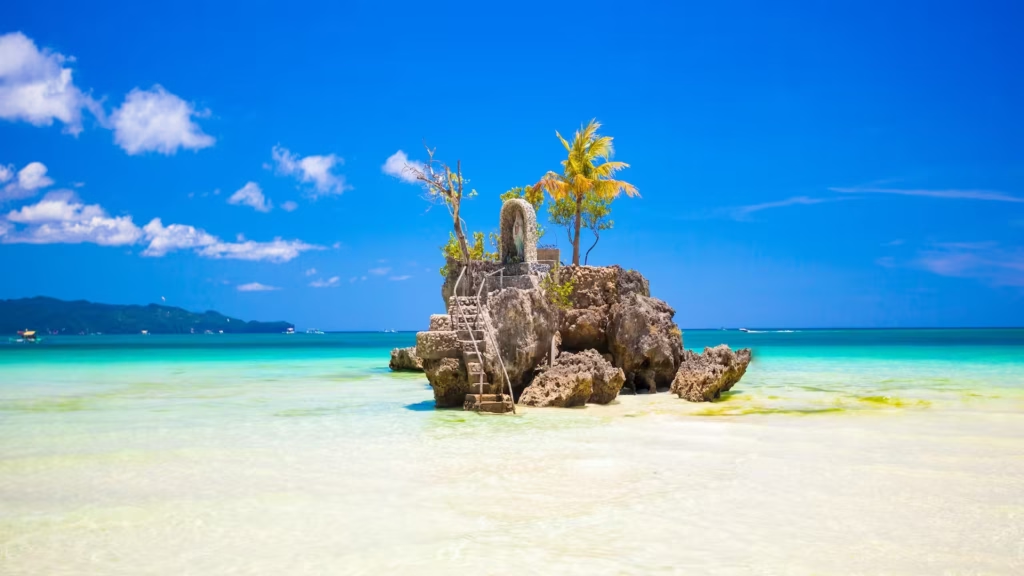
For years, Boracay was synonymous with budget backpackers, party-heavy nightlife, and crowded shores. That narrative has been completely rewritten. Industry insiders and travel analysts now point to a decisive shift: the island is shedding its low-cost, mass-tourism identity and stepping into a new role as a refined tropical luxury hub. This is not just rebranding—it is a structural transformation driven by policy, investment, and a redefinition of the island’s value proposition.
The Rehabilitation That Redefined the Market
The turning point came in 2018 when the Philippine government ordered a six-month closure of Boracay. At the time, critics viewed it as extreme. In hindsight, it became the most critical catalyst for the island’s luxury repositioning.
The shutdown enabled a complete infrastructure overhaul. Sewage systems were modernized, illegal structures removed, and a strict carrying capacity enforced. This was not only environmental rehabilitation—it was strategic repositioning. The message was clear: the era of uncontrolled tourism had ended. Sustainability, quality, and controlled access would now define the Boracay experience.
What Changed on the Ground
- Capped visitor numbers – Daily arrivals are now limited, preventing overcrowding and creating a sense of exclusivity.
- Stricter building regulations – Developments must meet environmental and design standards, eliminating unregulated beachfront construction.
- Nightlife controls – Curfews and noise policies shifted the island’s focus toward leisure, dining, and wellness.
These changes were intentional. Policymakers aimed to attract higher-value travelers who prioritize experience over volume. The results are measurable: increased per-visitor spending and sustained occupancy in high-end resorts, even during off-peak periods.
The Surge in Ultra-Luxury Properties
One of the clearest indicators of Boracay’s shift is the rise in premium real estate and hospitality developments. International hotel brands have entered the market, while existing properties have upgraded to meet global luxury standards.
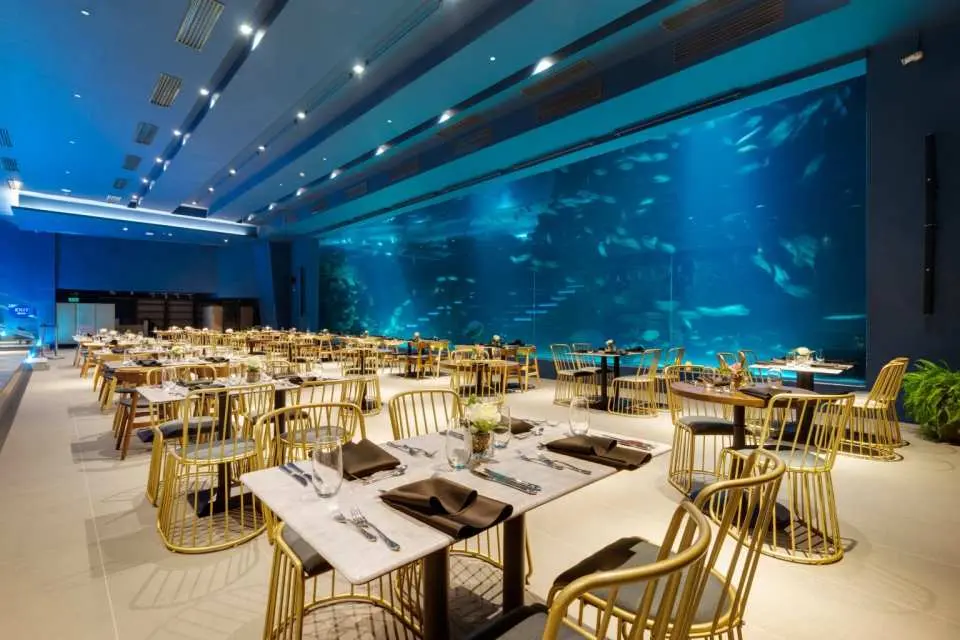
The island now features offerings comparable to destinations like the Maldives or the French Riviera. Private villas, personalized butler services, curated dining experiences, and expansive wellness facilities are no longer rare—they are becoming standard.
A Closer Look at the New Wave
- Redeveloped beachfront estates with controlled access and improved privacy
- Wellness-focused resorts offering structured retreats, yoga programs, and holistic health services
- Elevated dining scene led by experienced chefs, making Boracay a culinary destination in its own right
Investment activity supports this trajectory. Land values have risen significantly, and prime beachfront supply is limited. For developers, Boracay represents a rare opportunity in Southeast Asia: an established destination transitioning into a controlled, high-end market.
A Curated, Not Chaotic, Visitor Experience
Today’s Boracay traveler is fundamentally different from a decade ago. The demand has shifted from low-cost leisure to curated luxury experiences. This shift has reshaped the island’s service ecosystem.
Private yacht charters, concierge services, and premium transport options now define the visitor journey. The experience is structured, seamless, and designed for comfort.
What the High-End Traveler Can Expect
- Streamlined arrivals with private lounges and coordinated transfers
- Exclusive beach zones maintained by luxury resorts
- Premium water activities with limited group sizes and upgraded equipment
- Fully integrated wellness offerings with international standards
The defining factor is efficiency. The friction once associated with Boracay—crowds, noise, and disorganization—has largely been removed.
Why Boracay, Not the Maldives or Bali?
This comparison is common among industry professionals. Boracay’s advantage lies in a combination of accessibility, value, and diversity.
Accessibility is a major factor. Unlike the Maldives, which requires multiple transfers, Boracay is reached via a short flight to Caticlan followed by a brief boat ride. Travel time from major Asian hubs is under four hours.
Value also plays a role. While luxury in Boracay is priced at a premium locally, it remains competitive globally. Travelers can access high-end services at a lower cost than similar experiences in other top-tier beach destinations.
Cultural depth differentiates Boracay further. Unlike fully resort-based locations, the island offers interaction with local communities, independent dining options, and a broader lifestyle experience beyond resort boundaries.
The Expert Outlook: Sustainability as a Competitive Advantage
From an industry perspective, Boracay’s transformation stands out because it is anchored in sustainability. The shift is not superficial—it is operational.
Carrying capacity limits are enforced through reservation systems. Waste and water infrastructure has been upgraded. Marine conservation efforts, including coral rehabilitation, are active and ongoing.
These measures protect the island’s core asset: its natural environment. More importantly, they create a self-reinforcing system. Higher standards increase operational costs, naturally filtering out low-quality operators. The remaining businesses are better funded and aligned with long-term sustainability.
The result is a destination positioned for longevity, avoiding the decline seen in overdeveloped tourist hubs.
Is Boracay the Next Great Luxury Escape?
Current indicators suggest a strong upward trajectory. Infrastructure improvements, sustained investment, and growing demand from regional luxury markets all support Boracay’s positioning.
Its limited land area, often seen as a constraint, is in fact a defining strength. It enforces exclusivity and prevents overexpansion.
For travel professionals, investors, and high-value tourists, Boracay now represents a compelling case study in successful tourism transformation. It has executed a complex shift—from mass-market destination to controlled luxury environment—while maintaining global appeal.
The island is no longer just a popular beach destination. It is a structured, high-value tourism asset competing with the leading luxury destinations in Southeast Asia.