Cebu’s Tourism Renaissance: Pioneering Sustainable Exploration and Global Stewardship
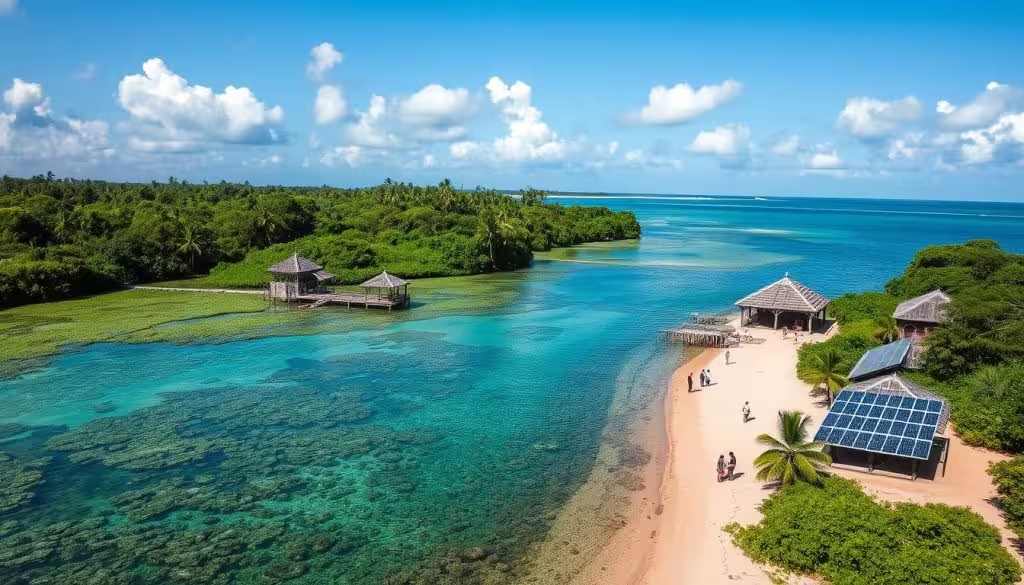
The Philippines’ Queen City of the South is no longer just a stopover for divers and beach lovers. Cebu is undergoing a spectacular renaissance—one that redefines how travelers engage with nature, culture, and local communities. This isn’t your typical tourist rebound. Cebu’s recovery is built on a foundation of sustainable exploration and global stewardship, positioning the island as a model for responsible travel in Southeast Asia. From the turquoise waters of Moalboal to the limestone cliffs of Kawasan Falls, the new Cebu invites visitors to leave a positive footprint.
The Renaissance of Cebu’s Tourism Landscape
Cebu’s transformation didn’t happen overnight. The pandemic forced a pause that allowed local governments, conservation groups, and tourism operators to rethink mass tourism. The result? A deliberate shift away from overcrowded attractions and toward low-impact, high-value experiences. Today, travelers encounter fewer tour buses, stricter visitor caps at popular sites, and a stronger emphasis on education over mere sightseeing.
Key Sustainable Initiatives Driving the Shift
- Marine Sanctuary Expansion: The famous sardine run in Moalboal is now protected by no-fishing zones and mandatory guide briefings. Snorkelers are taught to avoid touching the reef, and illegal poaching has dropped by 40% since 2022.
- Plastic-Free Island Zones: Mactan and Bantayan islands have banned single-use plastics. Resorts now offer refillable water stations, and guests are encouraged to carry eco-bags during island-hopping tours.
- Carbon Offset Programs: Several dive operators and hotels have partnered with local NGOs to plant mangroves and seagrass meadows, offsetting the carbon emissions from boat trips. Each guest can contribute a small fee that goes directly to reforestation efforts.
- Heritage Conservation in Cebu City: The colonial district of Parian is being restored with traditional materials, and walking tours now highlight the city’s pre-colonial history alongside its Spanish influence, ensuring cultural authenticity remains intact.
Global Stewardship in Action: Cebu’s Role in Ocean and Wildlife Protection
Cebu’s renaissance extends beyond its shores. The island has become a laboratory for global stewardship, particularly in marine conservation. The whale shark interactions in Oslob, once criticized for overfeeding, have been reformed. Now, operators follow strict guidelines: no touching, limited time in the water, and a cap on the number of boats per day. Research stations have been set up to study the sharks’ migratory patterns, and local fishermen are paid to report sightings rather than hunt them.
Collaborative Efforts with International Bodies
- UNESCO-IHE Partnership: Cebu’s coastal management plan is now aligned with UNESCO’s sustainable tourism framework, providing technical training for local guides and rangers.
- Marine Protected Area (MPA) Networks: The municipalities of Daanbantayan, San Remigio, and Bantayan have linked their MPAs, creating a 200-square-kilometer corridor for turtles and dugongs. Tourists can join citizen science programs to log sightings.
- Zero-Carbon Beach Cleanups: Volunteers from international schools and dive clubs conduct monthly cleanups that also collect data on microplastics—data shared with global oceanographic databases.
Community Empowerment: Putting Local Voices First
No sustainable renaissance works without the people. Cebu’s strategy centers on community-based tourism (CBT) that gives villagers ownership of the experiences. In the mountain barangays around Cebu City, farmers have transformed their vegetable plots into agro-tourism sites where visitors learn about organic farming and traditional cooking. In the fishing villages of Bantayan, former fishers now operate homestays and guided kayak tours through the mangroves.
Examples of Local Empowerment
- Lutopan Ecotrail: A community-run trail through secondary forests and coffee plantations. Guides are all residents, and 70% of the fee stays within the barangay for scholarship funds.
- Danao’s “Lutong Sugbo” Program: Culinary tours that feature home-cooked meals from grandmothers in the hills. Meals are prepared with locally sourced ingredients, reducing food miles and preserving heirloom recipes.
- Women’s Weaving Cooperatives: In Argao and Dalaguete, women weave mats and baskets from native reeds. Visitors can join workshops, and the products are sold in zero-waste packaging.
Challenges and the Path Forward
Despite the progress, Cebu faces hurdles. Rapid urbanization in Cebu City puts pressure on water resources and waste management. Some resorts still greenwash their operations, and the balance between accessibility and preservation remains delicate. Yet the trajectory is clear: Cebu’s renaissance is not a marketing campaign—it’s a structural change.
What Travelers Can Expect
- Pre-booking requirements for popular sites (Oslob, Kawasan, Moalboal) to manage crowd flows.
- Higher eco-fees that directly fund conservation and community projects—typically PHP 100–300 per person.
- Educational briefings before any water activity, covering reef etiquette, wildlife interaction rules, and cultural sensitivity.
- Opportunities to offset your trip’s impact through verified carbon credits or direct donations to local NGOs.
Conclusion: A Model for the World
Cebu’s renaissance is more than a tourism recovery story. It is a blueprint for how a destination can evolve from mass tourism to a stewardship-based model. The island proves that sustainable exploration doesn’t mean sacrificing wonder—it means deepening it. For the traveler seeking not just a postcard but a purpose, Cebu now offers both. As global awareness of climate change and over-tourism grows, Cebu stands as a living example that regions can rise again, greener and smarter,
while inviting the world to join the journey.