Luxury Resort Closures Impact Bohol Tourism
Upscale resort shutters after billion-peso debt default, signaling challenges for Philippine island destinations facing financial pressures and changing travel patterns.
Bohol resort closure
When Premium Destinations Face Financial Reality
Panglao Island in Bohol has long marketed itself as a sanctuary for travelers seeking luxury and exclusivity. Yet behind the turquoise waters and manicured villa grounds, a different story recently unfolded. In late September 2026, Donatela Resort & Sanctuary—a seven-hectare upscale property operated by PH Resorts Group Holdings Inc.—permanently closed its doors after Land Bank of the Philippines foreclosed on the property following a default on approximately one billion pesos in loans.
The closure raises uncomfortable questions about sustainability in Bohol’s tourism sector, particularly for high-end accommodations that depend on consistent occupancy and premium pricing to service debt. For travelers and industry observers, the shutdown signals that even well-positioned resorts face real financial pressures.
Inside the Bohol Resort Closure
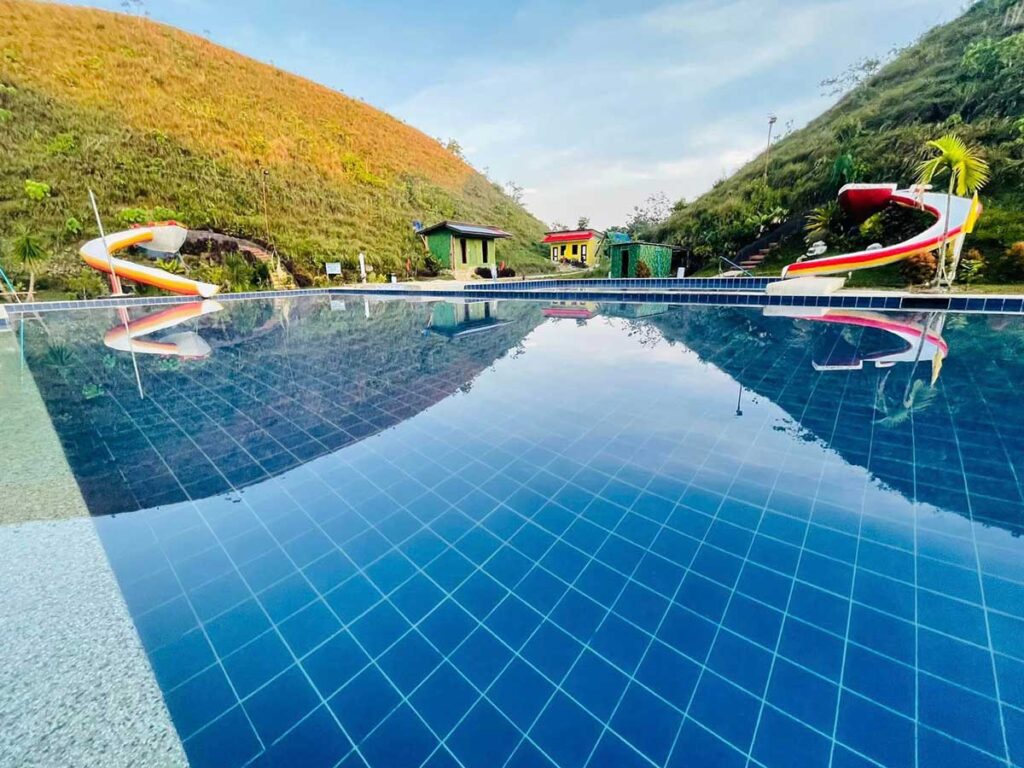
Donatela Resort operated across 7.2 hectares in Panglao with 12 villas, eleven of which had been open to guests before the property closed. The resort was acquired by PH Resorts in 2018, financed through a loan of roughly one billion pesos secured against the property itself. What began as an expansion into Bohol’s high-end market became a long-running debt obligation that ultimately could not be sustained.
The company maintained in public statements that hotel and restaurant bookings were generating sufficient revenue to cover daily operating costs, payroll, and basic maintenance. However, the underlying debt burden proved insurmountable. When PH Resorts defaulted, Landbank initiated foreclosure proceedings and emerged as the sole bidder after no other buyers came forward, effectively transferring ownership to the state-run bank.
The property and pledged shares were valued on PH Resorts’ books at 1.44 billion pesos as of the end of 2025. The company’s parent, Udenna Corp., had previously committed to covering the 975-million-peso principal plus accruing interest, but those commitments could not prevent the ultimate loss of the asset.
Broader Challenges in Bohol Tourism
Donatela’s closure arrives as Bohol tourism already contends with softer visitor arrival numbers and persistent criticism over accommodation pricing. The island destination, once synonymous with pristine beaches and outdoor adventures, has faced headwinds that extend beyond any single resort’s operational challenges.
The real issue, however, runs deeper than temporary tourism fluctuations. PH Resorts had already been pruning its Bohol presence before the Donatela shutdown. In September 2025, the company sold a separate 2,000-square-meter commercial property near Alona Beach for approximately 50 million pesos, signaling a deliberate retreat from the island market.
For a destination that depends heavily on premium international visitors and repeat guests, the loss of a branded luxury resort represents more than just a change in the skyline. It removes a property that marketed itself to affluent travelers and reinforces perceptions that Bohol’s accommodation costs may not align with the experiences offered.
What the Closure Means for PH Resorts’ Future
PH Resorts Group Holdings is currently undergoing a two-year restructuring aimed at shedding accumulated debts while identifying new business opportunities and investment vehicles. The Donatela loss is part of that broader reorganization, though it represents a significant write-down of assets for the Davao-based operator.
The company’s portfolio once extended across multiple high-end properties targeting premium market segments. The Bohol retreat suggests management is consolidating to focus on remaining assets that can generate positive cash flow without requiring substantial debt service. Whether that strategy succeeds depends on market conditions and the company’s ability to identify viable new ventures.
Travelers planning luxury stays in the region should be aware that resort portfolios and ownership structures in Philippine tourism remain fluid, particularly for properties carrying substantial debt loads. Confirmation of current operations before booking is always advisable for high-end accommodations.
Panglao Island Beyond the Closure
While Donatela’s shutdown represents a loss for Panglao’s luxury segment, the broader island continues to function as a tourism destination. Alona Beach remains the primary visitor hub, with numerous smaller accommodations, diving operators, and restaurants serving the ongoing flow of both international and domestic travelers.
The seven-hectare property that Donatela occupied will eventually see some form of reuse or repurposing under Landbank’s ownership. Whether the bank retains the asset, auctions it, or transfers it for alternative development remains to be seen. For now, the villas and grounds sit dormant, representing idle capacity in Panglao’s accommodation market.
Visitors interested in luxury experiences in Bohol and Panglao have other options, though the closure of a branded property does narrow the range of high-end choices available. Independent boutique resorts and smaller owner-operated properties continue to operate in the area, often with more flexible pricing and personalized service.
Lessons for Travelers and the Tourism Sector
The Donatela closure offers practical takeaways for multiple audiences. For travelers booking premium accommodations in developing destinations, verifying the financial stability of properties—or at minimum, checking recent guest reviews and booking confirmations—reduces risk. For the tourism industry, the case demonstrates that acquisition debt must align with realistic revenue projections; borrowing 1 billion pesos to finance a niche luxury resort in a regional market proved unsustainable when visitor demand and pricing power did not meet expectations.
For Bohol’s Department of Tourism and local government officials, the closure underscores the need for balanced positioning: overpricing high-end accommodations relative to regional competitors can suppress overall destination appeal, even as lower-cost alternatives proliferate nearby.
Practical Questions About Visiting Bohol Now
Is Panglao Island still a safe and functioning destination? Yes. The loss of one resort does not impair the island’s basic tourism infrastructure. Alona Beach remains active, ferries operate regularly, and dozens of operational accommodations serve all budget levels.
Should I be concerned about booking other resorts in Bohol? The Donatela situation was specific to a highly leveraged acquisition and debt service challenges. Most regional resorts operate on more modest debt levels or ownership structures. Checking recent reviews and confirming current operations before booking is always wise practice.
Are there alternatives to luxury resorts in Panglao? Absolutely. Smaller boutique resorts, guesthouses, and beachfront bungalows offer authentic experiences at lower price points, often with owner-operated management and stronger community connections than larger branded properties.
Before planning your Bohol getaway, verify accommodation availability directly with properties, check recent guest feedback on established review platforms, and confirm the operation status of any resort you’re considering. The island remains a viable destination; doing basic due diligence simply ensures you arrive to what you’ve booked.