The Philippines Rises as a Top Luxury Golf Destination
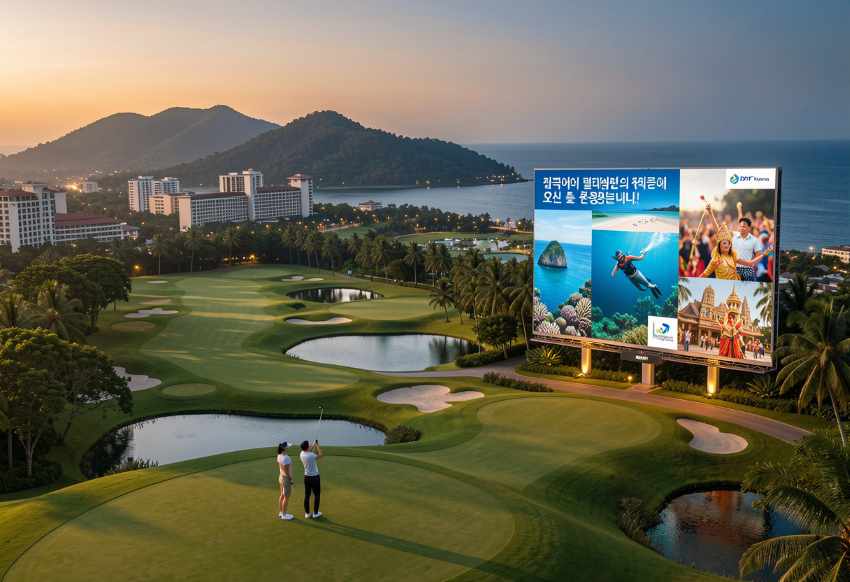
For decades, the Philippines was known primarily for its beaches, world-class diving spots like Tubbataha Reef, and the vibrant culture of Manila. But a quiet shift has been taking place across the archipelago, reshaping its tourism identity. While destinations like the Banaue Rice Terraces and the Chocolate Hills of Bohol remain iconic, a new kind of green is drawing global attention: the lush, meticulously maintained fairways of its luxury golf courses.
The Philippines is no longer just a tropical getaway. It is steadily positioning itself as a premier luxury golf destination in Asia, competing with established markets such as Thailand, Vietnam, and Japan. This transformation is the result of strategic development, world-class course design, and natural advantages that are difficult to replicate elsewhere.
Why the Philippines is a Golfer’s Paradise
The country’s rise in golf tourism is driven by a mix of geography, climate, and hospitality.
Year-Round Playability
One of the strongest advantages is consistent weather conditions that allow golf throughout the year.
While there is a wet season from June to October, many modern courses are designed with advanced drainage systems that minimize disruptions. The dry season, from November to May, delivers ideal golfing conditions with sunny skies and coastal breezes in areas like Cavite, Pampanga, and Davao.
This reliability attracts high-net-worth travelers from colder regions in East Asia, Europe, and North America seeking a dependable golf escape.
World-Class Course Architecture
The Philippines has invested heavily in high-end golf course development, collaborating with globally recognized designers.
Notable courses include:
- The Country Club in Sta. Rosa, Laguna, a Jack Nicklaus-designed championship course known for its precision layout and elite conditions.
- Anvaya Cove Golf & Sports Club in Bataan, designed by Arnold Palmer Design Company, offering a coastal links-style experience with sweeping sea views.
- Sherwood Hills Golf Club in Cavite, a Gary Player design featuring elevation changes and challenging water hazards.
These courses are carefully integrated into natural landscapes, combining playability with scenic environments.
The Luxury Experience Beyond Golf
Modern golf tourism in the Philippines goes far beyond the fairways. It is built around full luxury ecosystems.
Integrated Resorts and Private Communities
New developments are combining golf with high-end lifestyle offerings, including:
- Private beaches and resort pools
- Luxury spas and wellness centers
- Fine dining experiences led by international chefs
- Exclusive villas and residential estates
Areas like Punta Fuego in Nasugbu and emerging developments in Central Luzon reflect this growing trend toward private, upscale golf living.
The Caddie Experience
A defining feature of Philippine golf culture is its traditional caddie system. Far from being just support staff, caddies provide detailed course knowledge, reading greens, wind conditions, and terrain behavior.
This personal service adds a human touch that enhances the overall golfing experience and distinguishes the Philippines from many automated cart-based systems abroad.
Accessibility and Infrastructure Growth
The country’s geographic position strengthens its appeal as a regional golf hub.
- Direct flights connect Manila, Cebu, and Clark to major Asian cities like Seoul, Tokyo, Shanghai, Hong Kong, and Singapore.
- Clark International Airport serves as a key gateway to nearby golf destinations in Pampanga and Central Luzon.
- Expanding expressways and road networks reduce travel time between airports, cities, and golf resorts.
For international golfers, this means less travel friction and more time on the course.
How the Philippines Compares to Regional Competitors
Thailand
Thailand remains a leading golf destination in Asia due to affordability and strong tourism infrastructure. However, Philippine courses often offer greater exclusivity and less crowding.
Vietnam
Vietnam has rapidly developed world-class courses, particularly in coastal regions. The Philippines, however, offers more diverse terrain, from volcanic landscapes to oceanfront cliffs.
Japan
Japan is known for exceptional service and course quality but comes at a significantly higher cost. The Philippines offers a more relaxed tropical experience with comparatively lower expenses.
The Future of Luxury Golf in the Philippines
The outlook for Philippine golf tourism continues to strengthen. The country is increasingly hosting international tournaments and attracting interest from global investors in golf-linked real estate development.
As infrastructure improves and more high-end courses are developed, the Philippines is redefining its position in global tourism—not just as a beach destination, but as a serious contender in luxury sports travel.
For golfers seeking a combination of challenge, scenery, and hospitality, the Philippines is quickly becoming a destination of choice in Asia’s growing golf landscape.