Tagbilaran Unveils Ambitious New Tourism Plan to Boost Bohol Travel
The City of Tagbilaran, the vibrant capital of Bohol, has officially launched a comprehensive and forward-thinking new tourism master plan. This strategic blueprint is designed not just to elevate the city’s profile but to fundamentally reshape the Bohol travel experience, ensuring sustainable growth and greater economic benefits for local communities. Recognizing its critical role as the primary gateway to the province’s world-famous attractions, Tagbilaran is shifting from a mere transit point to a compelling destination in its own right.
The plan arrives at a pivotal moment as Bohol continues to experience a robust post-pandemic travel recovery. The new strategy aims to capitalize on this momentum by addressing key challenges such as visitor dispersal, infrastructure strain, and the need for more diversified tourism products.
Beyond the Gateway: Tagbilaran as a Destination Hub
For decades, most international and domestic tourists have landed at Tagbilaran’s airport or seaport only to immediately journey onward to the Chocolate Hills, Panglao Island, or dolphin-watching spots. The new plan seeks to change this narrative by developing the city’s intrinsic cultural, historical, and culinary offerings.
Central to this vision is the enhancement of the city’s historical and cultural circuit. This includes major upgrades to key sites like the Blood Compact Shrine (a national landmark commemorating the first treaty of friendship between Filipinos and Spaniards), the Bohol National Museum, and the iconic St. Joseph the Worker Cathedral. The plan outlines improved visitor facilities, interactive exhibits, and curated walking tours that connect these dots into a coherent, engaging narrative of Boholano heritage.
Pillars of the New Tourism Strategy
The ambitious plan rests on four interconnected pillars designed to create a holistic and resilient tourism ecosystem:
- Sustainable Urban and Cultural Tourism: Focused on low-impact development, heritage conservation, and community-led tours. This includes promoting the city’s historic districts, supporting local artisans, and developing green spaces and waterfront esplanades for both residents and visitors to enjoy.
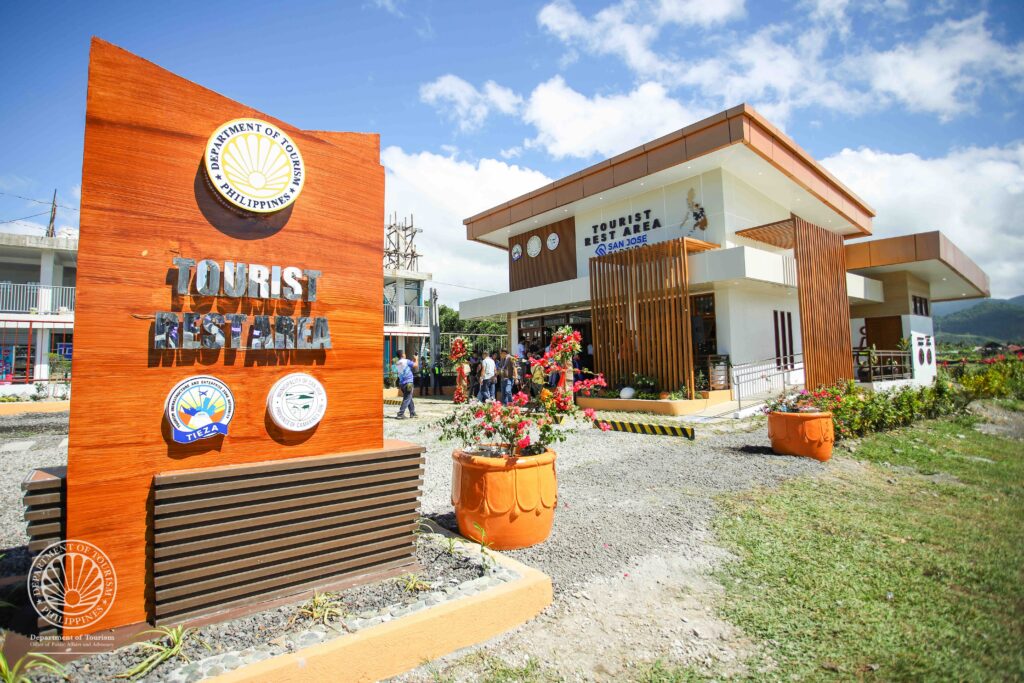
- Enhanced Connectivity and Visitor Experience: Streamlining the arrival and departure process at ports and the airport is a top priority. The plan also calls for the development of a modern, integrated tourist transport terminal and the implementation of digital solutions like a unified tourism app for information, bookings, and navigation.
- Culinary and Events Tourism: Tagbilaran aims to become a recognized food destination by showcasing its unique Boholano cuisine—from fresh seafood and “kalamay” (sticky sweet delicacy) to local specialties like “binagol.” The city plans to institute regular food festivals, night markets, and culinary tours to highlight local chefs and producers.
- MICE and Education Tourism: Leveraging its status as an educational and government center, the city will invest in facilities and marketing to attract more Meetings, Incentives, Conferences, and Exhibitions (MICE) events. Partnerships with universities also open doors for academic and cultural exchange tourism.
Decongesting Bohol: A Regional Approach
A significant and welcomed aspect of the plan is its focus on decelerating the overtourism pressure on Bohol’s primary natural sites. By creating compelling reasons for tourists to stay and spend time (and money) in Tagbilaran, the strain on hotspots like the Chocolate Hills complex and Alona Beach can be better managed.
The strategy promotes packaged itineraries that start with a 1-2 night stay in the city for culture and history, before proceeding to the natural wonders. This not only spreads economic benefits more evenly across the province but also enhances the overall visitor experience by providing a deeper understanding of Bohol’s identity beyond its postcard-perfect landscapes.
Infrastructure and Community at the Core
None of these ambitions can be realized without parallel investments in hard and soft infrastructure. The plan details coordinated projects with national agencies for road improvements, efficient waste management systems, and the development of reliable public utilities. Crucially, it emphasizes “tourism consciousness” training for the entire community—from taxi drivers and street vendors to hoteliers and government frontline staff—ensuring every visitor interaction is positive.
Public-private partnerships are highlighted as the key engine for development. The city government is actively inviting investors for priority projects such as:
- Boutique heritage hotels and upgraded mid-range accommodations.
- Modernization of public markets into tourist-friendly hubs.
- Development of the city’s waterfront areas for recreation and dining.
Looking Ahead: Challenges and Opportunities
The rollout of such a comprehensive plan is not without its challenges. Balancing modernization with heritage preservation, ensuring inclusive growth that reaches all sectors of society, and securing sufficient funding will require steadfast commitment and collaboration.
However, the opportunities are transformative. A successful implementation means a more vibrant Tagbilaran, a more resilient and diversified Bohol tourism economy, and a richer, more authentic experience for the discerning traveler. It positions the city not just as a doorway, but as the welcoming heart of the Bohol experience.
The unveiling of this master plan marks a bold step forward. It signals Tagbilaran’s readiness to claim its place on the tourism map, promising a future where a visit to Bohol is as much about urban charm and cultural depth as it is about pristine beaches and iconic hills. The journey to reshape Bohol travel begins at its capital.