Cebu Eyes Major International Sports Complex Development
The island province of Cebu, long celebrated as the Queen City of the South and a powerhouse of Philippine tourism and commerce, is setting its sights on a new, ambitious goal: becoming a premier hub for international sports in Asia. Recent reports indicate that local government and private sector leaders are actively pursuing the development of a world-class, multi-disciplinary sports complex, a project poised to transform the region’s athletic landscape and economic future.
This visionary plan isn’t just about building new stadiums; it’s a strategic move to position Cebu as a destination for high-caliber sporting events, athlete training, and sports tourism, capitalizing on its existing infrastructure and vibrant culture.
The Vision: A Game-Changer for Cebu and the Philippines
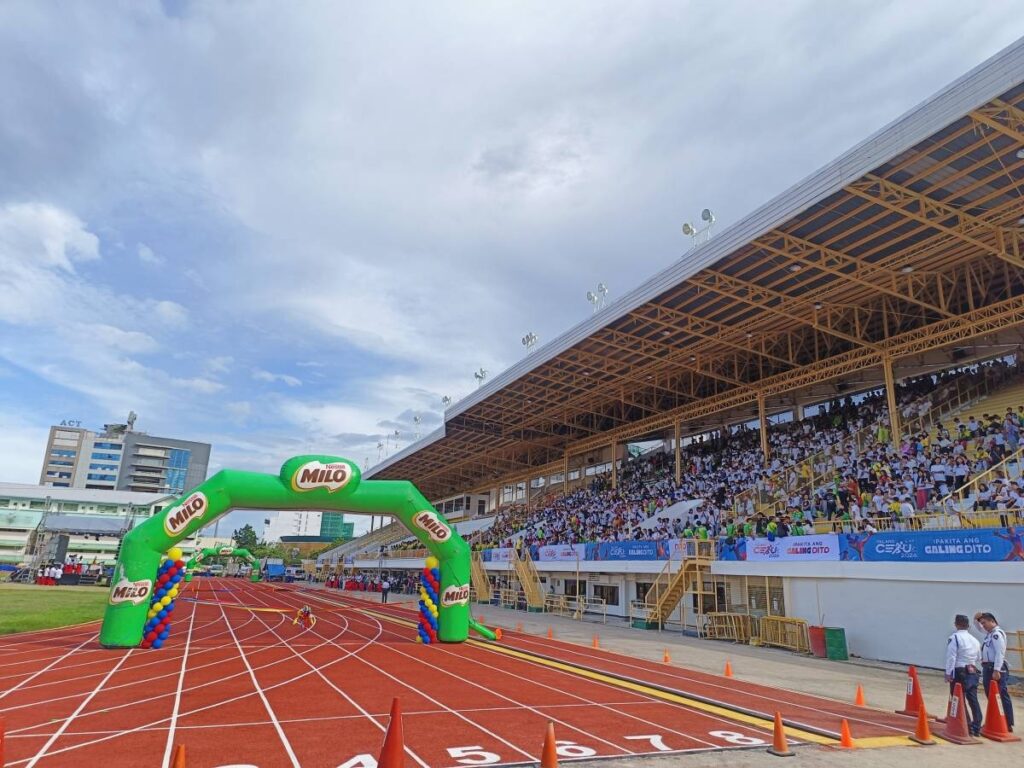
The proposed international sports complex is envisioned as a sprawling, state-of-the-art facility capable of hosting a wide array of events. While specific details are still in the planning stages, the scope is expected to be comprehensive.
The core vision likely includes:
- Olympic-Standard Athletics Facilities: A main stadium with a certified track and field setup for international competitions.
- Aquatics Center: World-class swimming and diving pools to nurture the country’s strong aquatic athletes.
- Multi-Purpose Arenas: Indoor venues for sports like basketball, volleyball, badminton, gymnastics, and martial arts.
- Athletes’ Village & Training Center: A dedicated residential and high-performance training facility for both local and visiting athletes.
- Supporting Infrastructure: Ample parking, media centers, commercial spaces, and public parks to create a holistic sports and community hub.
The driving force behind this initiative is multifaceted. Primarily, it addresses a critical national need. The Philippines, despite its passionate sporting culture, lacks a centralized, international-grade complex. Hosting major regional events like the Southeast Asian (SEA) Games often requires costly, temporary upgrades to dispersed venues. A permanent complex in Cebu would provide a ready-made solution, saving resources and elevating the quality of events the country can host.
Economic and Social Impact: Beyond the Playing Field
The development of an international sports complex is projected to deliver a significant economic multiplier effect for Cebu and the Visayas region.
Boosting Tourism and Creating Jobs
Major sporting events attract thousands of athletes, officials, media personnel, and spectators. This influx translates directly into heightened demand for accommodations, transportation, food services, and retail. The construction phase alone will generate thousands of jobs, with permanent positions created for complex operations, event management, and hospitality services thereafter. Cebu’s already robust tourism sector would receive a powerful, year-round supplement in the form of sports tourism.
Elevating Philippine Sports
For Filipino athletes, a world-class home facility is a game-changer. It means consistent access to optimal training environments without the need for expensive training camps abroad. This can dramatically improve athlete preparation and performance on the international stage. Furthermore, it inspires the next generation, providing a tangible, aspirational destination for young talents across the Visayas and Mindanao.
Urban Development and Global Profile
Such a large-scale project would inevitably spur complementary infrastructure development in its surrounding area—improved roads, expanded utilities, and new commercial districts. On a broader scale, successfully hosting international meets boosts Cebu’s global profile, reinforcing its image as a modern, capable, and forward-thinking metropolis open for business and major events.
Key Considerations and the Path Forward
While the vision is compelling, a project of this magnitude comes with substantial challenges that stakeholders are undoubtedly scrutinizing.
Primary challenges include:
- Funding and Investment: The financial requirement will be enormous. A successful model will likely involve a public-private partnership (PPP), leveraging government support with the efficiency and capital of private developers and operators.
- Strategic Location: Selecting the right site is crucial. It must have sufficient space, be accessible via major transport links (including Mactan-Cebu International Airport), and have minimal impact on existing communities while maximizing urban development benefits.
- Sustainable Operations: Beyond construction, the long-term operational model must be viable. This includes a clear plan for event scheduling, maintenance, commercial leasing, and community use to ensure the complex remains active and financially sustainable beyond just mega-events.
- Environmental and Social Impact: Responsible development mandates thorough studies on environmental impact, traffic management, and community integration, ensuring the project benefits, rather than burdens, the locality.
The current news suggests that Cebu’s leaders are in the active pursuit and discussion phase, engaging with potential partners and conducting feasibility studies. The momentum appears strong, fueled by a recognition of the long-term strategic opportunity.
A Legacy in the Making
The push for an international sports complex in Cebu is more than a construction project; it is a statement of ambition. It reflects a desire to diversify the island’s economy, invest in the future of Philippine sports, and secure Cebu’s place on the map for major international events.
If realized, this complex would stand as a landmark achievement. It would be a home for champions, a catalyst for economic growth, and a symbol of Cebu’s progressive spirit. The journey from concept to completion will be complex and require unwavering collaboration between government, private sector, and the community. However, the potential rewards—a stronger sporting nation, a more vibrant economy, and an elevated global stature—make this a goal worth pursuing with relentless determination.
The eyes of the sporting world may soon turn to Cebu, not just for its beautiful beaches and rich history, but for its state-of-the-art facilities and champion-producing grounds. The starting gun has sounded on this ambitious race, and the finish line promises a transformative victory for the entire Philippines.