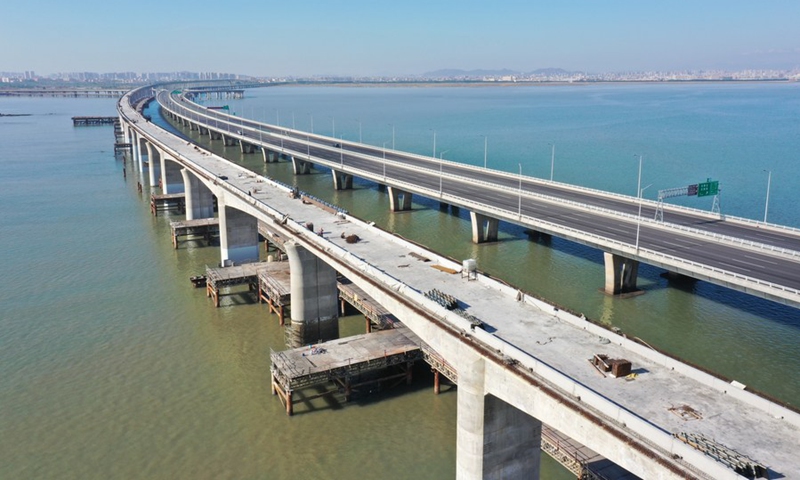
Reconnecting Quanzhou and Cebu: A New Bridge Across the Sea
For centuries, the South China Sea was not a barrier but a bustling highway, connecting empires, cultures, and peoples. At the heart of this ancient maritime network were two pivotal ports: Quanzhou in China’s Fujian province, once known as “the greatest port in the world,” and Cebu in the Philippines, the archipelago’s oldest city and a historic trade hub. Today, a new chapter in this storied relationship is being written, not with wooden junks, but with modern diplomacy, economic partnerships, and a shared vision for the future. A new bridge across the sea is being built, one of cooperation and reconnection.
A Legacy Etched in Time and Trade
To understand the significance of today’s reconnection, one must look back. During the Song and Yuan dynasties, Quanzhou was the eastern terminus of the Maritime Silk Road. From its harbors, Chinese ceramics, silk, and ironware sailed south, reaching the islands of what is now the Philippines. Cebu, with its strategic location, became a vital node in this network.
The ties are more than commercial; they are deeply cultural and personal. Long before the age of modern nation-states, Fujianese merchants and settlers made the journey to Cebu and other Philippine islands. Their influence is indelible, woven into the very fabric of Filipino culture—from cuisine and language to religious practices and family names. This historical kinship forms the unshakable foundation upon which contemporary relations are being strengthened.
The Modern Framework of Re-engagement
The recent push to revitalize the Quanzhou-Cebu link is multifaceted, operating on several key levels:
1. The Sister City Dynamic: Fuzhou and Cebu Province
While Quanzhou’s historical link is profound, the modern administrative bridge often connects Cebu Province with Fuzhou, the capital of Fujian. This sister-city/province relationship is a formal channel for cooperation. It facilitates:
- High-level diplomatic exchanges and meetings.
- Structured collaboration on mutual development goals.
- Official platforms for business and cultural dialogue.
This framework ensures that the reconnection has sustained institutional support, moving beyond historical nostalgia into actionable partnerships.
2. Economic Currents: Trade and Investment
The South China Sea remains a crucial economic artery. Today, the flow of goods between Fujian (with Quanzhou as a major port) and Cebu is more robust than ever. Key areas include:
- Infrastructure and Construction: Chinese firms are involved in significant infrastructure projects in Cebu and the wider Philippines, contributing to ports, roads, and energy development.
- Manufacturing and Trade: Cebu’s thriving furniture, fashion, and electronics sectors engage in continuous trade with Chinese manufacturing hubs.
- Tourism Exchange: Pre-pandemic, direct flights and cruise routes facilitated a two-way flow of tourists, a sector poised for a strong comeback.
The economic relationship is a practical engine of growth for both regions, creating jobs and fostering development.
3. The Unbreakable People-to-People Link
Perhaps the strongest “bridge” is the one built by people. The Filipino-Chinese community, many tracing their roots to Fujian, is a cornerstone of Cebuano society—in business, academia, and civic life. This community acts as a living link, ensuring cultural understanding and facilitating business networks. Furthermore, educational exchanges, artistic collaborations, and shared culinary traditions keep the human connection vibrant and personal.
Navigating the Waves: Challenges and Opportunities
Building bridges in geopolitically sensitive waters is not without its challenges. The broader context of South China Sea territorial discussions can cast a shadow, requiring careful, principled diplomacy. Both sides must continuously work to ensure that economic cooperation is mutually beneficial and sustainable, addressing any concerns about trade imbalances.
However, the opportunities far outweigh the challenges. For Quanzhou and Fujian, enhancing ties with Cebu opens doors to the vibrant ASEAN market. For Cebu, connection with one of China’s most dynamic regional economies means more investment, knowledge transfer, and development. Crucially, this partnership can serve as a model of sub-national diplomacy, showing how regional entities can foster positive international relations that directly benefit their citizens.
A Bridge to a Shared Future
The reconnection between Quanzhou and Cebu is more than a revival of ancient routes. It is the construction of a modern, multifaceted partnership built on a deep historical foundation. It encompasses:
- Economic pragmatism through trade and joint projects.
- Cultural affirmation of centuries-old familial and social ties.
- Diplomatic foresight in building stable, cooperative regional relationships.
This new bridge across the sea symbolizes a forward-looking vision. It acknowledges that the shared history of the Maritime Silk Road is not a relic, but a blueprint. By leveraging their profound historical and cultural bonds, Quanzhou and Cebu are charting a course for a future of shared prosperity, demonstrating how the tides of history can guide us toward collaborative and peaceful horizons. The journey begun by ancient mariners continues, now powered by a mutual commitment to progress and partnership.