First Lasqueti Island Sighting of Endangered Sharp-Tailed Snake Marks Major Conservation Milestone
For the first time in recorded history, an endangered snake species has been confirmed on Lasqueti Island in British Columbia. The discovery, verified by local biologists and conservation authorities, adds an important new record to the known range of one of Canada’s most elusive reptiles.
The finding has drawn attention from herpetologists and conservation groups, not just for the rarity of the species, but for what it reveals about the island’s ecological value.
How the discovery happened
The snake was spotted during a routine biodiversity survey carried out by researchers from the British Columbia Ministry of Forests alongside local naturalists.
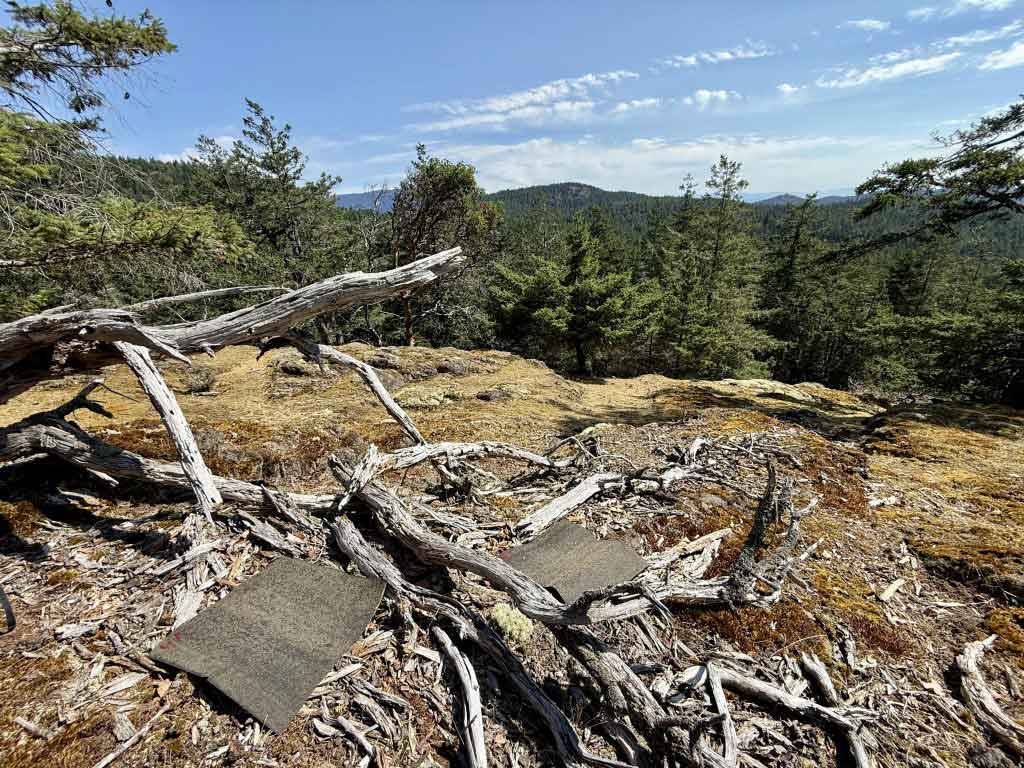
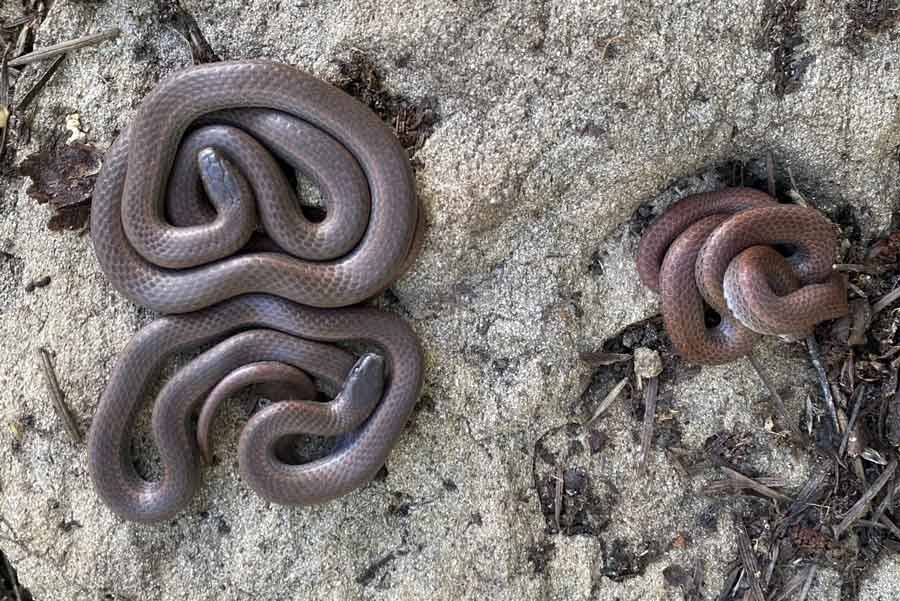
In a rocky, forested area near the island’s central ridge, the team observed a small copper-colored snake resting on a decaying log. After careful documentation, it was identified as a Sharp-tailed Snake (Contia tenuis), a species listed as endangered under Canada’s Species at Risk Act.
This is the first confirmed record of the species on Lasqueti Island. Until now, known populations were limited mainly to Vancouver Island and a few nearby Gulf Islands.
Why the Sharp-tailed Snake matters
The Sharp-tailed Snake is small, secretive, and rarely seen, typically growing to around 40 centimetres in length. It is named for the sharp, spine-like scale at the end of its tail, which it uses as a defensive anchor when threatened.
Despite its size, the species plays an important role in the ecosystem:
- It helps control populations of slugs and snails that can damage vegetation
- It depends on undisturbed forest floors, making it a strong indicator of ecosystem health
- It is highly sensitive to changes in moisture and temperature, making it useful for tracking environmental shifts
Across much of its range, the species has declined due to habitat loss, development, and invasive predators such as European fire ants.
Why Lasqueti Island matters
Lasqueti Island is known for its remote setting, limited development, and largely natural landscape. Its mix of Douglas-fir forests, Garry oak stands, rocky outcrops, and damp understory creates the kind of habitat this species depends on.
Researchers had long suspected the snake might be present based on anecdotal sightings from residents, but there was never confirmed evidence—until now.
According to conservation biologists, the island’s isolation may have helped preserve small, undetected populations.
Conservation impact of the finding
The discovery could influence future conservation planning on the island. Possible next steps include:
- Protecting the 15-hectare area where the snake was found
- Expanding surveys to determine population size and distribution
- Increasing public awareness to reduce disturbance risks
Experts say even a small confirmed population can be important. It can strengthen genetic diversity and reduce the risk of local extinction.
Ongoing threats despite the discovery
Even in a relatively remote environment, the species still faces challenges.
- Invasive predators such as cats, rats, and raccoons
- Climate shifts that may dry out critical forest-floor habitat
- Human disturbance from increasing recreation and shoreline access
Conservation groups are now working with local residents to improve monitoring and reduce risks, including citizen reporting programs and habitat protection efforts.
Broader significance
The Lasqueti Island record fits into a wider pattern of rare species being found in unexpected pockets along British Columbia’s coast.
It highlights an important point for conservation work: some populations may still exist in places not fully captured by current mapping or protection frameworks.
For the Sharp-tailed Snake, this single sighting extends its known Canadian range and reinforces the importance of continued field surveys and community-based reporting.
What happens next
Researchers plan to return for more detailed surveys using tracking methods such as environmental DNA sampling and habitat mapping. These efforts aim to confirm whether the species is established on the island or represents a small, previously undetected group.
For now, the discovery stands as a reminder that even well-studied regions can still hold surprises—and that careful fieldwork continues to play a key role in understanding and protecting biodiversity.