Santa Rosa Island Wildfire Scorches 10,000 Acres Endangering Rare Species
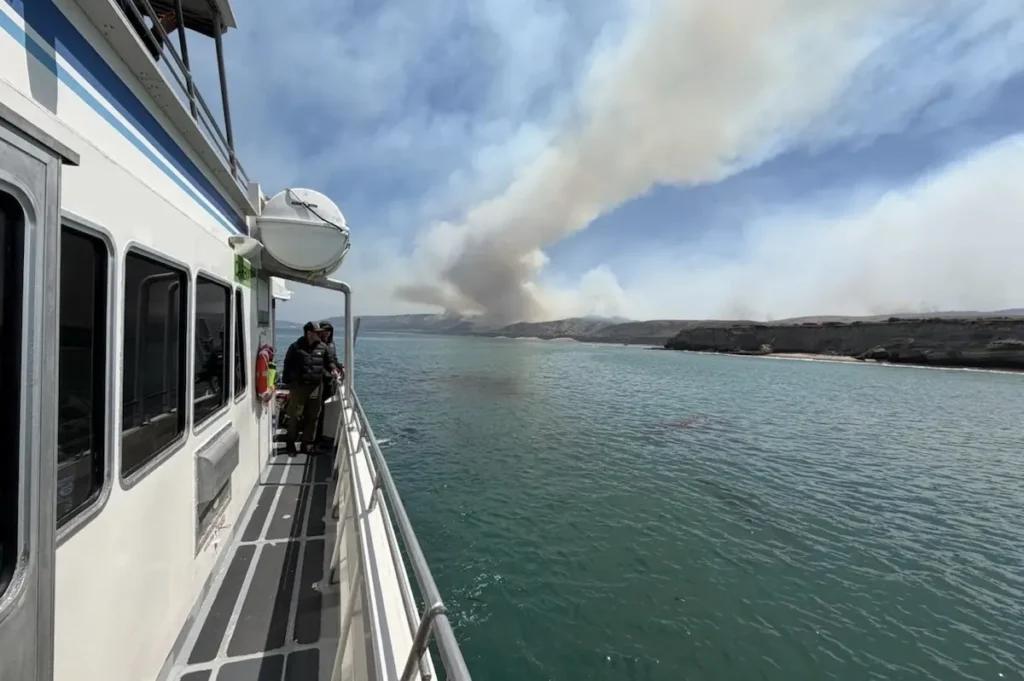
A massive wildfire has swept across Santa Rosa Island, part of the remote Channel Islands off the coast of Southern California, burning more than 10,000 acres of pristine habitat. The fire, which started under hot, dry conditions and was fueled by strong Santa Ana winds, is now posing a serious threat to some of the rarest plants and animals in the region. As of the latest updates, containment remains difficult due to the island’s rugged terrain and limited access.
A Catastrophic Blaze in a Unique Ecosystem
Santa Rosa Island is one of the five islands that make up Channel Islands National Park, a federally protected area known for its rich biodiversity. Unlike mainland environments, this island has evolved in isolation for thousands of years, producing species found nowhere else on Earth.
The fire, which began in mid-May 2026, has already burned roughly one-third of the island’s 53,000 acres, including large portions of core wildlife habitat.
The rapid spread was driven by dry vegetation, low humidity, and winds exceeding 40 miles per hour. Firefighters from the National Park Service, the U.S. Forest Service, and the Ventura County Fire Department have been deployed by helicopter and boat, but the island’s isolation—about 40 miles offshore—makes full-scale ground suppression extremely difficult.
“This is a worst-case scenario for an ecosystem that has never experienced fire on this scale in recorded history,” said Dr. Elena Rodriguez, a fire ecologist with the National Park Service. “Santa Rosa Island’s native species are simply not adapted to fast-moving, high-intensity wildfires.”
The Ecological Toll: Rare Plants and Animals at Risk
The fire is threatening several endemic species that depend on the island’s unique chaparral, coastal sage scrub, and oak woodland habitats. One of the most notable is the Santa Rosa Island fox (Urocyon littoralis santarosae), a small subspecies already listed as federally endangered.
Decades of conservation work helped bring its population back from the brink, but this fire could undo much of that progress in a very short time.
Other at-risk species include:
- Santa Rosa Island mallow (Malva assurgentiflora var. santarosae)
- Island night lizard (Xantusia riversiana)
- Torrey pine (Pinus torreyana ssp. insularis)
- Channel Islands slender salamander (Batrachoseps pacificus ssp. santarosae)
Biologists are especially concerned about the island fox, which may have already lost key nesting and foraging areas. Beyond direct fire impacts, animals that survive will also face increased exposure to predators such as golden eagles due to loss of vegetation cover.
The Unique Vulnerability of Island Species
Island ecosystems are especially fragile because they evolve with limited disturbance. Unlike mainland landscapes where fire is part of the natural cycle, Santa Rosa Island historically experienced very few large fires.
As a result, many native plants are not adapted to fire and lack protective traits like thick bark or fire-triggered seed release. Recovery could take decades—or may not fully happen in some areas.
“When fire moves through an island system, it doesn’t just remove vegetation—it disrupts the entire ecological balance,” said Dr. Marcus Chen, a conservation biologist at the Santa Barbara Botanic Garden. “Even pollinators and seed dispersers here are unique.”
Firefighting Challenges on an Isolated Island
Fighting fire on Santa Rosa Island is extremely complex. There are few roads, limited water sources, and no easy ground access across most of the island.
Fire crews rely heavily on helicopters to move personnel and equipment, while suppression efforts are coordinated from a temporary command post at the historic Santa Rosa Island Ranch.
One of the biggest concerns is the fire’s proximity to the Torrey pine grove, one of only two natural stands of this rare subspecies in the world. Fire crews have been working to protect it using hand lines and aerial retardant drops, but changing winds remain a constant threat.
Historical Fire Patterns and Climate Change
Wildfires of this scale are unusual for the Channel Islands, which historically experienced very infrequent burning due to their cool, moist marine climate.
However, conditions are changing. Rising temperatures, prolonged drought, and the spread of invasive grasses like cheatgrass and red brome have created new fuel sources that make fires easier to ignite and faster to spread.
“We’re seeing a clear shift in how these ecosystems behave under climate stress,” said Dr. Emily Torres, a fire meteorologist at the University of California, Davis. “What was once a fire-resistant landscape is becoming increasingly vulnerable.”
Recovery Efforts and Hope for the Future
Despite the damage, conservationists say recovery is still possible.
The National Park Service maintains captive breeding programs for the island fox, with populations on nearby islands that could support future reintroduction efforts.
Seed banks and native plant nurseries also preserve genetic material from many of the island’s rare plants, allowing restoration work to begin once conditions stabilize.
“The fire resets the landscape, but it doesn’t erase all options,” said Dr. Chen. “Recovery will take time, funding, and long-term management, but restoration is still possible.”
How You Can Help
While the fire is still active, conservation groups are already preparing for long-term recovery. Support efforts include:
- Donating to the Channel Islands National Park Restoration Fund
- Supporting the Santa Barbara Botanic Garden Rare Plant Program
- Staying informed and supporting climate resilience initiatives
As the fire continues to burn across one of California’s most fragile ecosystems, the full impact is still unfolding. The survival of the island’s unique species will depend on both immediate firefighting efforts and long-term restoration work in the years ahead.