Cebu gaming resort closure shows challenges property developers face
PH Resorts Group closed Donatela Resort & Sanctuary on September 30, 2026. Developers struggle with lending foreclosures across the Philippines gaming sector.
Cebu resort closure
Cebu’s Resort Sector Faces Growing Financial Pressures
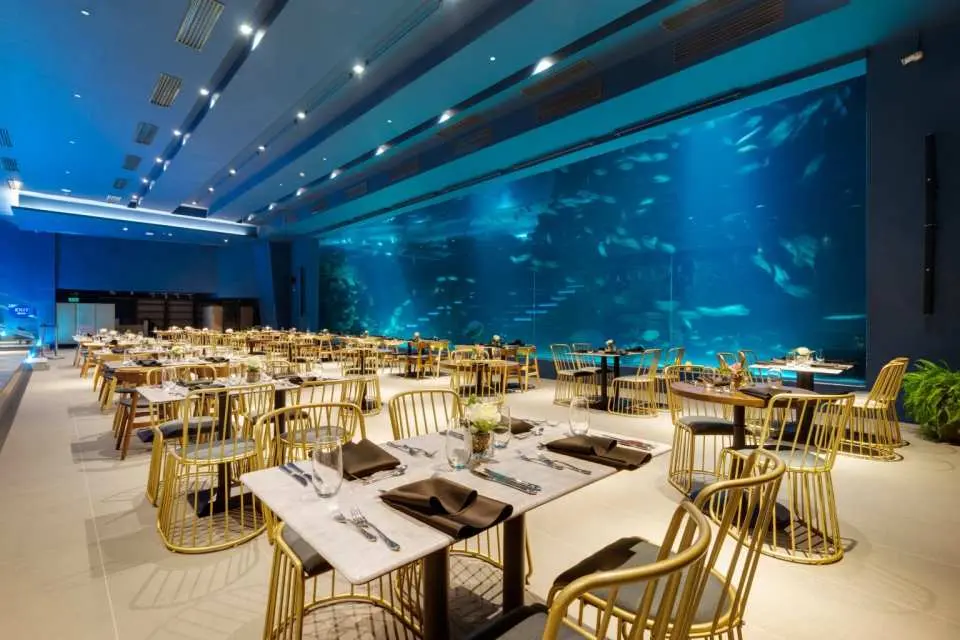
Cebu has long positioned itself as a premier gaming and hospitality destination in the Philippines, but recent developments reveal serious financial strain rippling through the resort industry. On September 30, 2026, Donatela Resort & Sanctuary in Bohol—a property operated by Donatela Hotel Panglao Corp, a wholly-owned subsidiary of PH Resorts Group—permanently ceased operations. This wasn’t a voluntary business decision; rather, the closure came as a direct result of extrajudicial foreclosure proceedings tied to mortgage obligations with Land Bank of the Philippines.
The loss of this second major property represents a turning point for the broader Cebu gaming ecosystem. Property closures driven by lender actions send ripples through local employment, tourism infrastructure, and investor confidence in the region’s gaming sector. Understanding what happened at Donatela Resort & Sanctuary—and why—provides insight into challenges facing resort developers across the Philippines.
From Full Operations to Foreclosure: The Donatela Story
The Donatela Resort & Sanctuary sat on land and improvements that had been mortgaged as collateral for the subsidiary’s loan obligations. When the borrower fell behind on payments, Landbank initiated foreclosure proceedings. By the end of September 2026, the property passed entirely to the lender, and PH Resorts Group’s subsidiary handed over possession to the bank.
While the company had not yet received an official Certificate of Sale from the court at the time of the announcement, the practical reality was already settled: the resort had ceased operations, staff had been displaced, and a hospitality asset was now in the hands of a creditor rather than an operator. This is the second major property loss for PH Resorts Group in recent years, following the high-profile collapse of the Emerald Bay integrated resort project in Cebu.
The foreclosure underscores how quickly resort operations can unravel when financing breaks down. Unlike retail or office properties, hotel and resort assets rely on consistent operational revenue to service debt. Once occupancy falters or construction delays mount—as happened with pandemic-related disruptions—the financial math becomes unsustainable.
Cebu Resort Development and the Emerald Bay Legacy
Donatela Resort & Sanctuary’s closure cannot be separated from the larger narrative of Emerald Bay, PH Resorts Group’s flagship project. Emerald Bay was envisioned as Cebu’s second major integrated resort, featuring two 15-story hotel towers with 642 rooms, multiple pools, 18 food and beverage outlets, retail spaces, and an expansive gaming floor with over 700 electronic gaming machines and more than 140 tables. Construction stalled during the pandemic and never resumed.
The company sold the Emerald Bay site to Chinabank in 2023 under a refinancing arrangement, with a March 2025 deadline to repurchase the property. The buyback never materialized. Potential investors—including Bloomberry Resorts Corp (owner of Solaire) and Tiger Resort, Leisure and Entertainment Inc (operator of Okada Manila)—both withdrew from investment discussions. Without fresh capital infusion, PH Resorts Group could not reclaim the site.
In December 2025, the Philippine Amusement and Gaming Corporation (PAGCOR) revoked Emerald Bay’s provisional casino license, acknowledging that further development was no longer feasible. That revocation, combined with the loss of the Donatela property, effectively ended the company’s major resort operations in Cebu and Bohol.
Corporate Restructuring as a Survival Strategy
PH Resorts Group and its parent company, Udenna Corporation, announced a restructuring plan aimed at separating the troubled resort and hotel assets from the broader corporate structure. Under this plan, Udenna would transfer its entire ownership stake in PH Travel and Leisure Holdings Corp—the entity holding operating subsidiaries for both Emerald Bay and Donatela Resort & Sanctuary—to the parent company.
This restructuring represents an effort to isolate toxic assets and shield the parent company from ongoing liabilities. Udenna, owned by Dennis Uy, is attempting to quarantine the resort losses rather than allow them to drag down the wider corporate portfolio. Such moves are common in distressed situations, but they also signal to the market that full operational recovery is unlikely.
The closure of Donatela Resort & Sanctuary is explicitly characterized by the company as part of this restructuring process. In other words, the foreclosure and operational shutdown serve the corporate strategy of debt separation and liability containment.
What the Cebu Closures Mean for Gaming Tourism
For travelers and industry observers, these closures matter because they illustrate how competitive and financially fragile resort development can be, even in a promising market like Cebu. The region remains popular for gaming and leisure tourism, but these recent losses show that ambitious projects require sustained capital, reliable financing, and market conditions that allow operations to reach profitability before cash runs dry.
Cebu still hosts NUSTAR, its premier integrated resort, which continues to operate successfully. But the failed Emerald Bay project and the Donatela foreclosure demonstrate that not every resort proposal reaches maturity. Visitors planning gaming trips to Cebu should base their plans on established, operating properties rather than developments still in construction or announced phases.
The loss of potential capacity also affects the broader hospitality landscape. With two major projects now offline—one never completed and one closed by foreclosure—Cebu’s gaming and resort sector has fewer rooms, gaming tables, and alternative venues than originally planned. This may create short-term capacity constraints for large delegations or conferences.
Lessons for Resort Investors and Developers
The Donatela and Emerald Bay situations illustrate several critical vulnerabilities in resort development. First, pandemic-related construction delays can be fatal if financing agreements include strict timelines and no flexibility. Second, without committed anchor investors or parent company support, refinancing becomes nearly impossible once initial enthusiasm fades. Third, provisional gaming licenses offer no protection if the underlying project fails; PAGCOR can and will revoke them when development stalls.
For prospective investors and lenders considering new resort projects in the Philippines, these cases emphasize the importance of conservative projections, robust pre-opening capital reserves, and clear contingency plans if opening dates slip. The cost of borrowing is high, and the window to reach operational profitability is narrow.
Frequently Asked Questions
What happened to the Emerald Bay site after PH Resorts lost control?
The land and structures remain in Chinabank’s possession. As of now, there are no announced plans for redevelopment. The site serves as a cautionary example of incomplete gaming infrastructure in the Cebu market.
Can visitors still gamble and stay in Cebu despite these closures?
Yes. NUSTAR remains fully operational and is Cebu’s primary integrated resort for gaming and hospitality. Other hotels and gaming venues also operate in the region, though Cebu’s total gaming capacity is now smaller than originally planned.
Is PH Resorts Group completely dissolved?
The company still exists but is undergoing restructuring. The parent company, Udenna Corporation, is consolidating liabilities related to the resort properties. The company’s other business segments may continue, but its resort and hotel operations have effectively ceased.
The closure of Donatela Resort & Sanctuary marks another chapter in Cebu’s complicated relationship with large-scale resort development. While the broader gaming sector in Cebu remains viable, these twin failures serve as reminders that ambitious projects require more than vision—they require sustained financial discipline, favorable market timing, and the ability to adapt when circumstances change.