Visayas Ferry Fares Increase by P160 to P200 Starting This Month
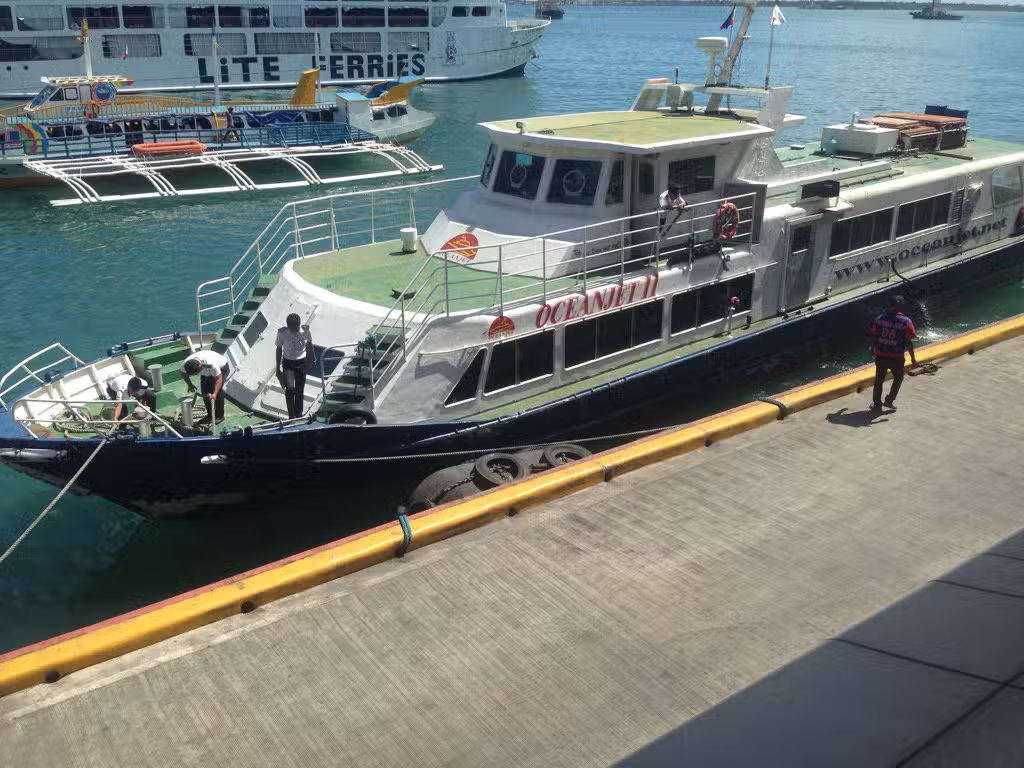
For millions of Filipinos who rely on sea travel to connect the islands of the Visayas, a significant change is now in effect. Ferry fares across the region have increased by P160 to P200, a hike that officially began this month. This adjustment, confirmed by the Philippine Shipping Regulator, impacts the core routes that serve as the lifeblood of inter-island commerce, tourism, and daily commuting.
The announcement has sent ripples through the central Philippines, where ferries are not merely a mode of transport but an essential utility. For students, workers, traders, and families, this fare hike represents a direct hit to their monthly budgets, compounding the existing pressures of rising commodity prices.
Understanding the Fare Adjustment: Why Now?
The decision to implement a fare increase is rooted in a confluence of economic pressures facing the shipping industry. The Maritime Industry Authority (MARINA) approved the hike following petitions from various shipping operators who have been grappling with soaring operational costs for years.
The primary drivers cited for this adjustment include:
- Skyrocketing Fuel Prices: The cost of marine fuel oil (MFO) remains volatile and significantly higher than pre-pandemic levels, constituting one of the largest portions of a shipping company’s operating expenses.
- Increased Cost of Maintenance and Parts: Global supply chain issues and inflation have made vessel maintenance, repairs, and necessary spare parts more expensive.
- Compliance with New Regulations: Investments in mandatory safety upgrades, environmental protocols, and modernized terminal facilities have added financial strain on operators.
A representative from a major Visayas shipping line explained, “While we understand the impact on the public, this calibrated increase is crucial for maintaining safe, reliable, and regular ferry services. Without it, the sustainability of our operations and the quality of our vessels would be at risk.”
Affected Routes and Passenger Impact
The fare hike is not uniform across all routes but is structured based on distance and vessel class. The P160 to P200 increase applies to the base fare for ordinary or economy class passengers on major, frequently traveled routes.
Some of the key routes affected include:
- Cebu to Bohol (Tagbilaran)
- Cebu to Negros Oriental (Dumaguete)
- Negros to Iloilo (and vice versa)
- Leyte to Cebu
- Panay to Guimaras to Negros
For air-conditioned cabin accommodations, business class, and vehicle transport rates, the increases are proportionally higher. Frequent travelers, such as vendors transporting goods or professionals working on a different island, will feel the cumulative effect most acutely.
Public Reaction and Economic Ripple Effects
The reaction from the commuting public has been one of resigned concern. “A P200 increase may not seem like much to some, but for those of us who travel weekly to sell our produce in the city, it cuts deeply into our already small profit,” shared Aling Maria, a market vendor who regularly takes the Cebu to Ormoc ferry.
The potential for broader economic ripple effects is significant. Tourism officials worry that increased travel costs could deter budget-conscious domestic tourists from island-hopping within the Visayas. Similarly, local businesses that depend on the seamless flow of people and goods fear a slowdown.
Government Response and Available Assistance
In light of the hike, questions have been directed toward government agencies about possible mitigation measures. The Land Transportation Franchising and Regulatory Board (LTFRB) and MARINA have stated they are monitoring the situation closely.
While no direct subsidy for passengers has been announced, the government emphasizes that the fare adjustment underwent a rigorous review process. They have also mandated shipping companies to ensure that the increased revenue directly translates to better service, including:
- Strict adherence to safety standards and scheduled departures/arrivals.
- Improved cleanliness and maintenance of passenger terminals and vessels.
- Transparent ticketing and clear communication regarding schedules and fares.
Tips for Commuters Navigating the Fare Hike
For the everyday ferry passenger, adapting to this new cost is essential. Here are some practical tips to manage the impact:
- Plan and Budget Ahead: Incorporate the new ferry costs into your monthly travel budget immediately. Avoid last-minute trips that can strain your finances.
- Explore Travel Promos and Loyalty Programs: Some shipping lines offer discounted fares for advanced online bookings or have loyalty cards for frequent travelers. It’s worth inquiring directly.
- Consolidate Trips: If you travel for business or to purchase goods, try to consolidate errands into fewer, longer trips to reduce the frequency of travel.
- Stay Informed: Follow the official social media pages of your preferred shipping companies for real-time updates on schedules, potential promos, or any changes in policy.
The Essential Role of Ferries in the Visayas
This fare hike underscores a fundamental truth about the Philippine archipelago: maritime connectivity is non-negotiable. In the Visayas, ferries are the equivalent of buses and trains. They enable education, employment, healthcare access, and family connectivity. They transport agricultural products to markets, construction materials to developing areas, and tourists to world-class beaches.
The challenge lies in balancing the economic viability of shipping companies with the public’s need for affordable transportation. This fare increase is a difficult but clear indicator of the rising costs of maintaining this critical infrastructure.
Looking Ahead: The Future of Sea Travel
As the region adapts to this new pricing reality, the conversation is shifting toward the long-term future of inter-island travel. Stakeholders are discussing the need for more modern, fuel-efficient vessels to lower operational costs over time. There are also calls for greater public-private partnerships to modernize port facilities and improve the overall passenger experience.
The P160 to P200 fare hike is more than a line item on a ticket; it is a moment for reflection on the value and vulnerability of the services that bind the islands together. As one commuter aptly put it, “We have no choice but to pay. The sea is our highway.” The hope now is that this increased investment from passengers leads to a more sustainable, reliable, and safer maritime highway for all.