

The Ultimate Travel Guide to Sumilon Island: Cebu’s Hidden Exotic Paradise
Tucked along the southern tip of Cebu, Sumilon Island doesn’t announce itself loudly — and that’s exactly what makes it special. No crowded boardwalks, no souvenir stalls every five meters. Just powdery white sand, water so clear you can count the fish beneath your feet, and the kind of quiet that reminds you why you travel in the first place.
Whether you’re planning your first trip to Cebu or you’ve been to the region before and want to go somewhere most tourists miss, Sumilon deserves a spot on your itinerary. Here’s everything you need to know before you go.
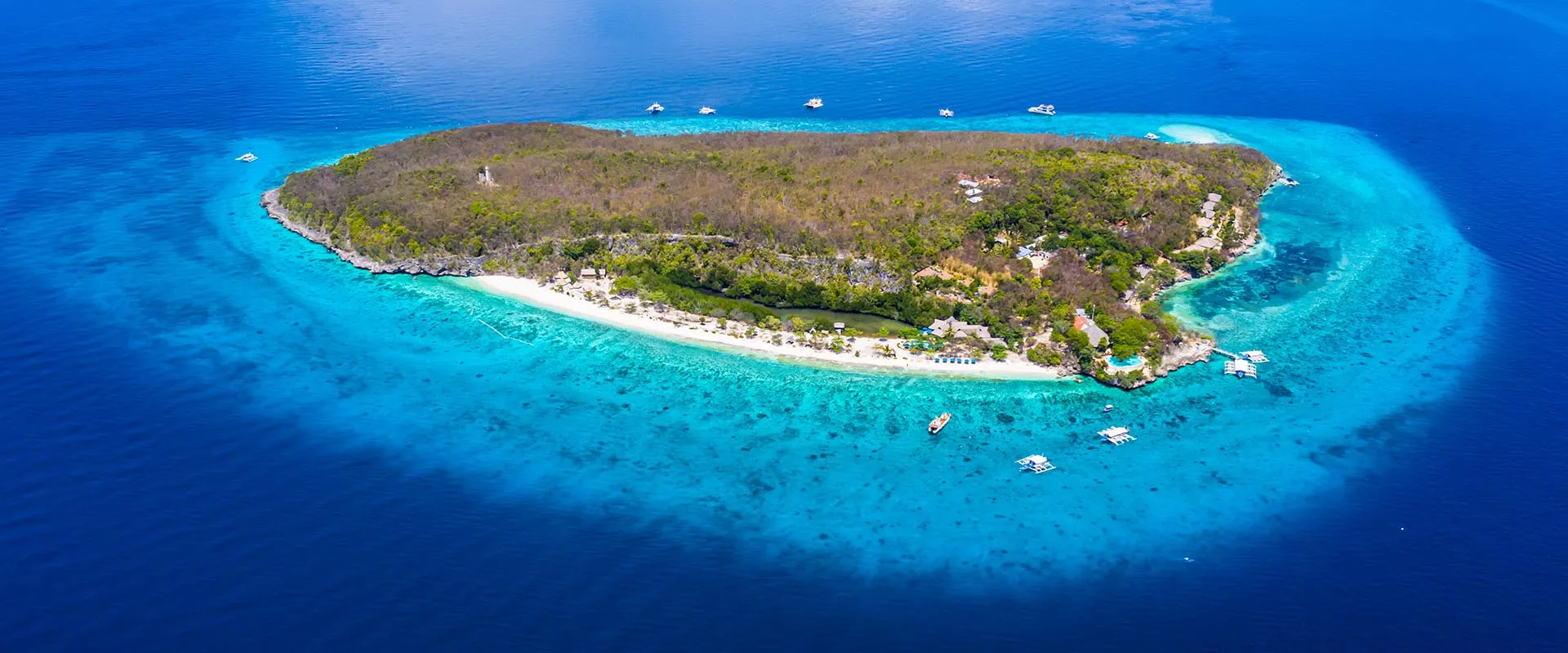
Where Exactly Is Sumilon Island?
Sumilon Island sits just off the coast of Oslob, a municipality in southern Cebu roughly 100 kilometers from Cebu City. It’s a small island — you can walk its length in under an hour — but it packs in more variety than islands three times its size. A marine sanctuary, a centuries-old Spanish watchtower, a shifting sandbar, and one of the region’s most scenic cliff-side resorts all share this compact stretch of land and sea.
How to Get to Sumilon Island from Cebu City
Getting there is part of the experience. From Cebu City’s South Bus Terminal, take a bus bound for Oslob — the ride takes around 3 to 4 hours depending on traffic, and the scenery along the coastal highway is worth the time.
Once in Oslob, boats are available at the shoreline to ferry you across to Sumilon. The crossing takes about 10 to 15 minutes. If you’re staying at Bluewater Sumilon Island Resort, they arrange private boat transfers as part of their packages, which simplifies things considerably. Day-trippers can also arrange a bangka from Oslob without any advance booking, though arriving early is recommended during peak months.
What to See and Do on Sumilon Island
The Sandbar
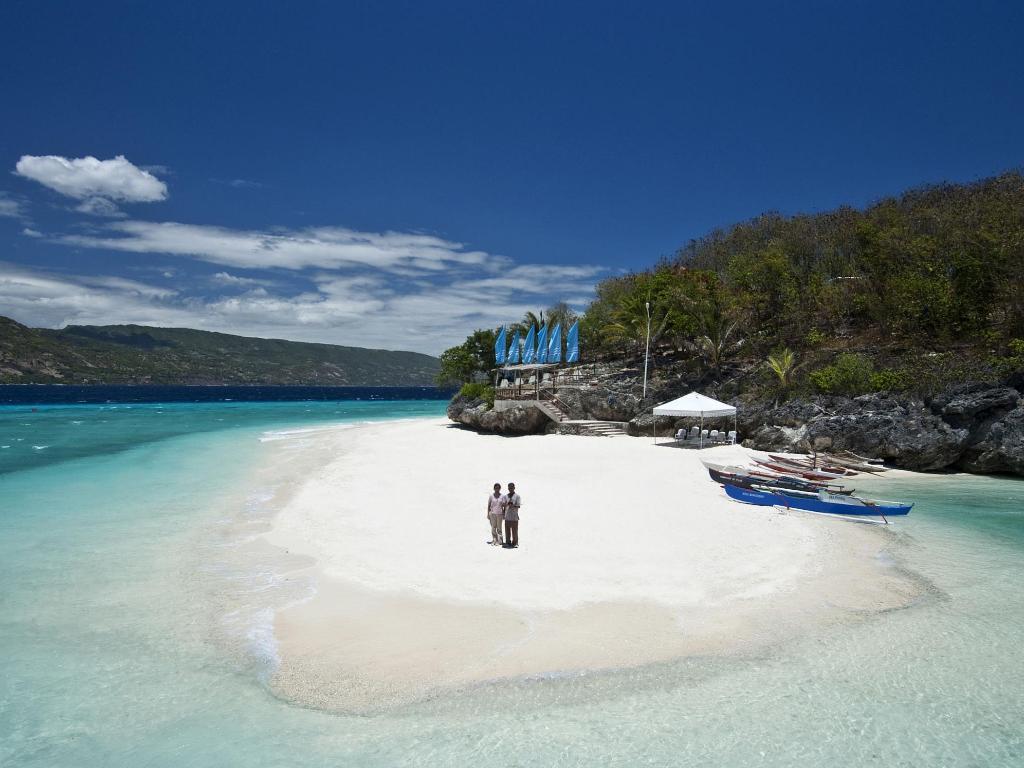 The iconic Sumilon sandbar at low tide — one of the most photographed spots in all of Cebu.
Sumilon’s sandbar is one of those sights that earns its reputation. A narrow strip of white sand that extends from the island’s shore, it shifts position with the tides — sometimes stretching wide enough to walk across, other times narrowing to almost nothing. The best time to see it at its most dramatic is during low tide in the dry season, roughly between December and May.
Snorkeling and the Marine Sanctuary
The waters surrounding Sumilon have been a protected marine sanctuary since 1974, making it one of the oldest in the Philippines. That history shows in the reef — coral gardens in surprisingly good condition, schools of tropical fish in sizes and colors you don’t often see this close to shore. You don’t need to be an experienced diver to appreciate it. Even casual snorkelers can spot a remarkable variety of marine life just a few meters from the beach.
Scuba diving is also available for those who want to go deeper, with the marine sanctuary offering visibility that draws divers from across the region.
Baluarte and the Lighthouse
History runs quietly through Sumilon alongside its natural beauty. Near the island’s interior stands Baluarte, a Spanish-era watchtower built during the colonial period to warn communities of approaching Moro raiders — the same threat that shaped so many coastal settlements across the Visayas. A short walk from there, the island’s lighthouse offers one of the best panoramic views of the surrounding sea and nearby coastline, particularly at sunset.
Kayaking, Paddleboarding, and Island Hopping
For those who want to stay active on the water, kayaks and paddleboards are available for rent on the island. The calm, sheltered side of Sumilon is ideal for both, even for beginners. If you have a full day to spare, island hopping tours around Cebu’s southern coast can be arranged through local boat operators in Oslob, with Sumilon often serving as one of the stops.
Where to Stay Near Sumilon Island
Bluewater Sumilon Island Resort
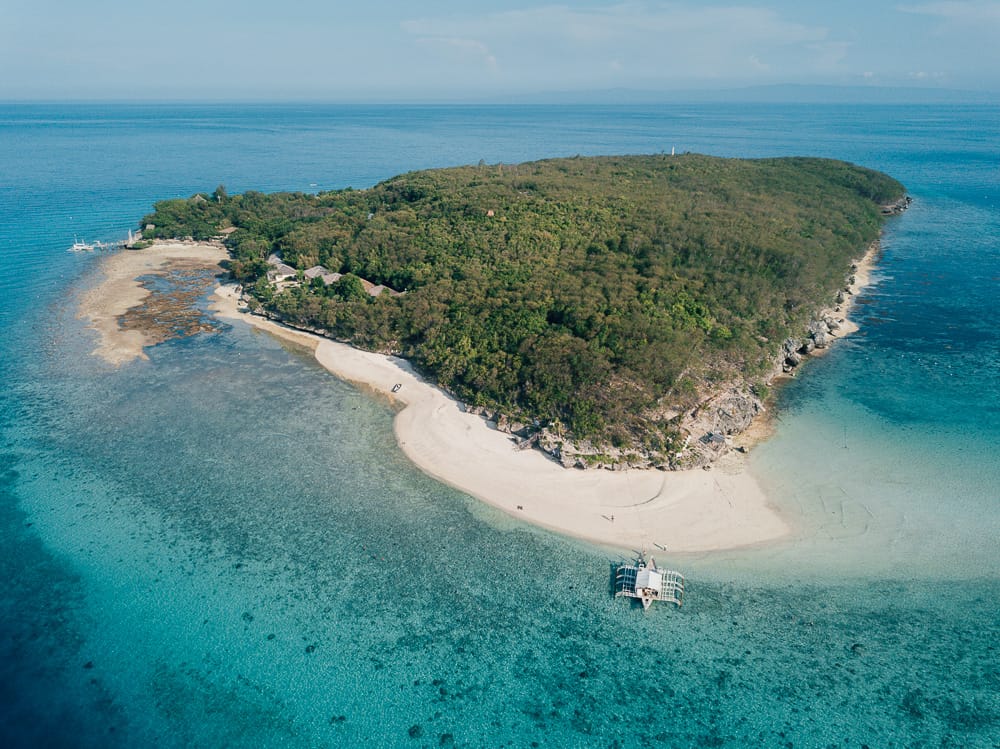
The only accommodation directly on the island, Bluewater Sumilon is a well-regarded resort built into the island’s cliffs with rooms and villas overlooking the sea. It’s a genuinely impressive property — not just for the views, but for the food, the private beach access, and the overall sense of being somewhere remote without giving up comfort. It sits at the higher end of the price range, but for a special occasion or a genuine splurge, it’s difficult to fault.
Staying in Oslob
Budget-conscious travelers have solid options on the mainland. Oslob has a growing selection of guesthouses, small hotels, and homestays at reasonable rates, and the short boat crossing to Sumilon makes day trips easy to manage. Staying in Oslob also puts you close to the town’s other draw — the whale shark interaction site at Tan-awan, which pulls visitors from across the country and abroad.
Best Time to Visit Sumilon Island
December through May is the sweet spot. The weather across Cebu’s south is generally dry during these months, the seas are calmer, and visibility for snorkeling and diving tends to be at its best. The sandbar also tends to be more pronounced during this period.
June through November brings the wet season, with occasional typhoons affecting the Visayas region. Travel is still possible during these months, but rough seas can disrupt boat crossings, and some resort facilities may operate on reduced schedules.
Travel Tips Worth Knowing Before You Go
Use reef-safe sunscreen. The marine sanctuary is a protected area, and standard sunscreens containing oxybenzone are harmful to coral. Reef-safe alternatives are widely available and worth packing specifically for this trip.
Bring cash. Sumilon Island has limited ATM access. Settle resort fees, boat fares, and any rental costs in cash, and sort this out in Oslob or Cebu City before making the crossing.
Start early. Day-trippers who arrive at Oslob before 8 AM generally have the sandbar and snorkeling areas to themselves for at least a couple of hours before the midday crowd arrives.
Respect the sanctuary rules. No touching the coral, no feeding the fish, and no removing anything from the water. These aren’t suggestions — they’re what’s kept this reef in good condition for decades.
For a broader look at what else Cebu’s southern coast has to offer, our complete Cebu travel guide covers beaches, cultural landmarks, and hidden spots worth adding to your trip.
Why Sumilon Island Is Worth the Trip
Some destinations are beautiful in photos and underwhelming in person. Sumilon tends to work the other way — it’s the kind of place that looks good in pictures but feels better when you’re actually standing on that sandbar with warm water around your ankles and nothing in your immediate view except open sea.
It’s not the easiest island to reach from Cebu City, and that’s largely why it’s stayed as quiet as it has. But for travelers willing to make the 3-hour journey south, Sumilon offers something increasingly hard to find in a well-traveled archipelago: a corner of the Philippines that still feels genuinely unhurried.
Plan the trip, make the crossing, and give yourself at least a full day. You’ll understand why people come back.


